Greenland MEGA Expedition
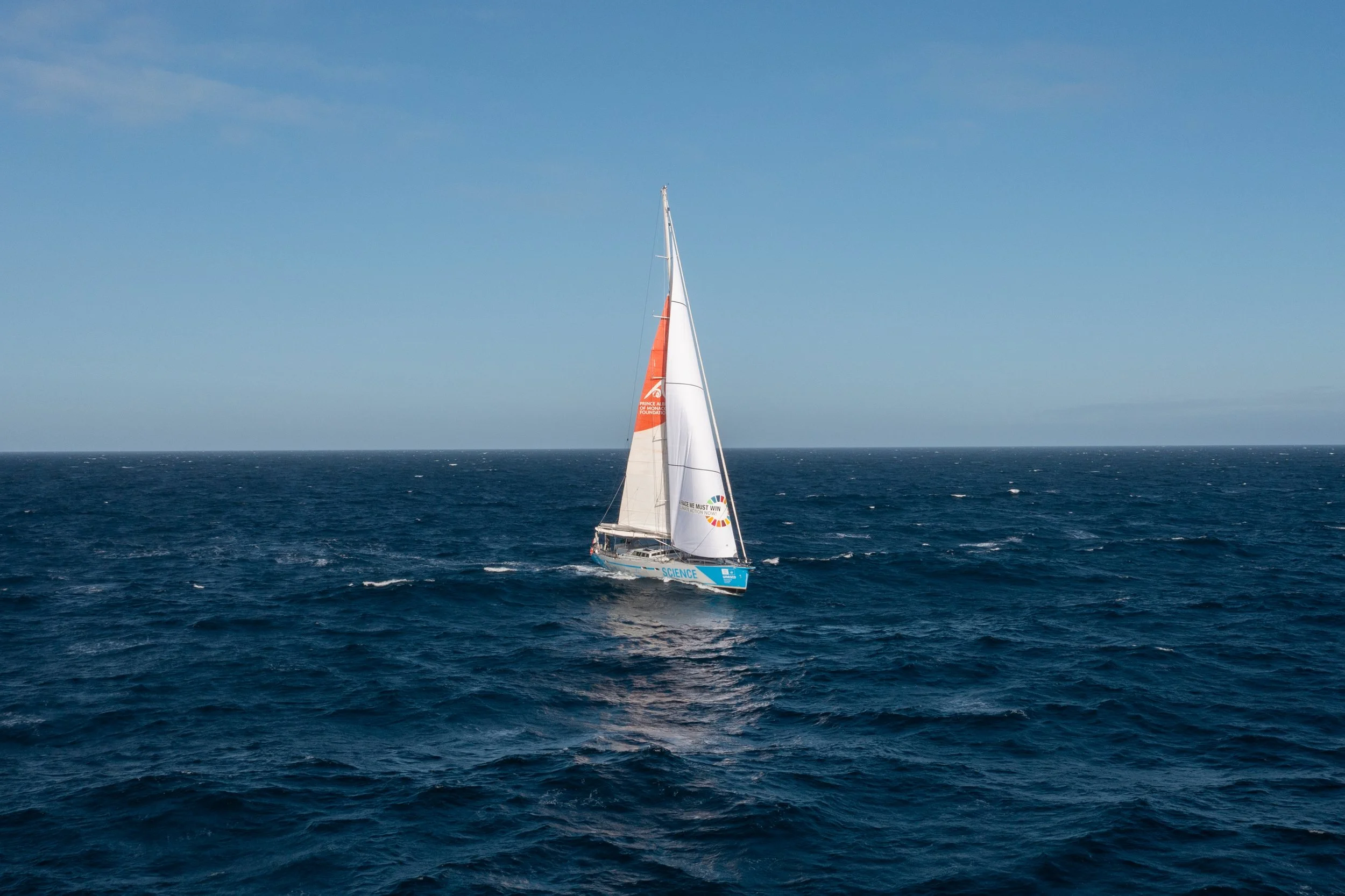
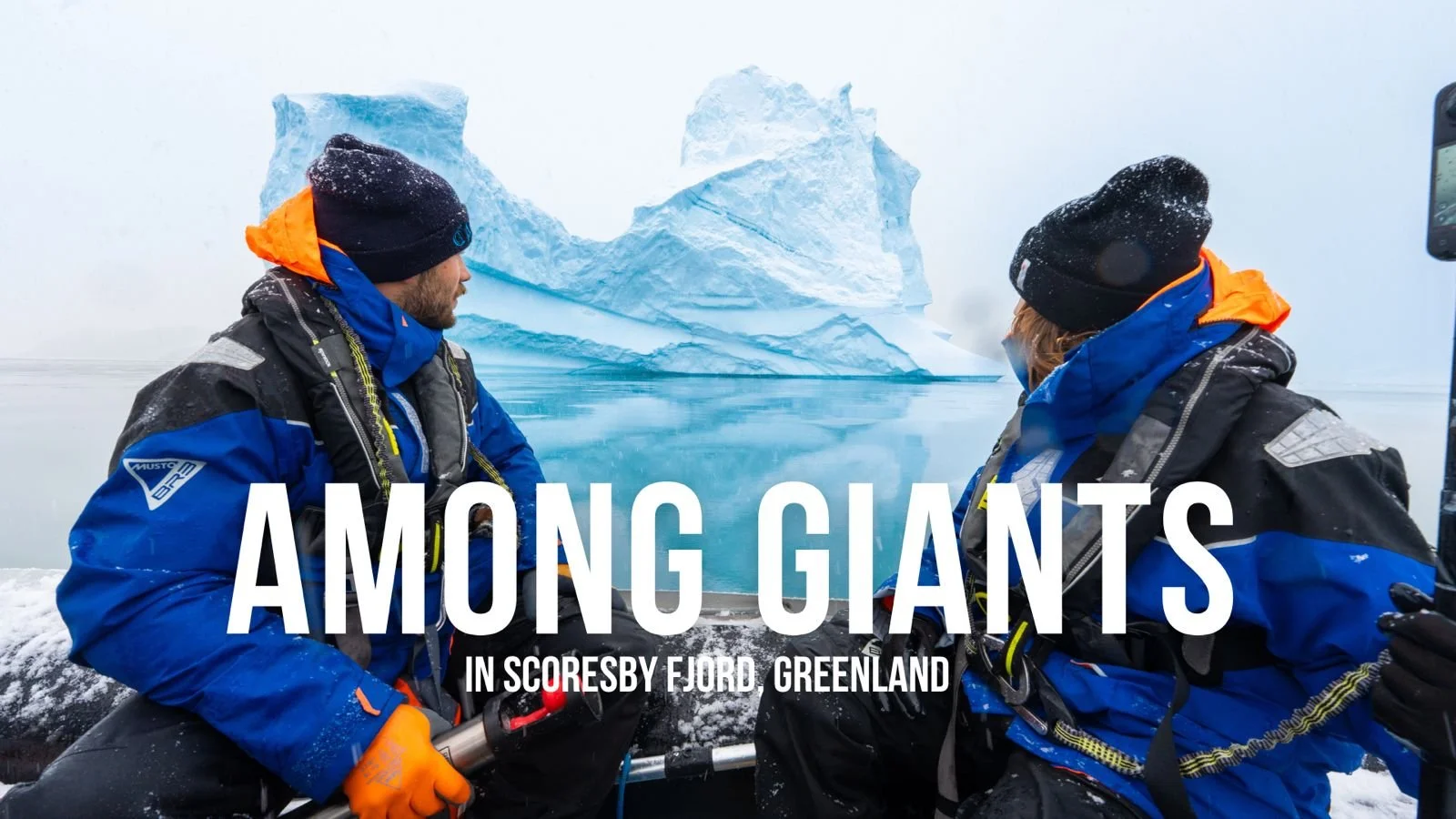
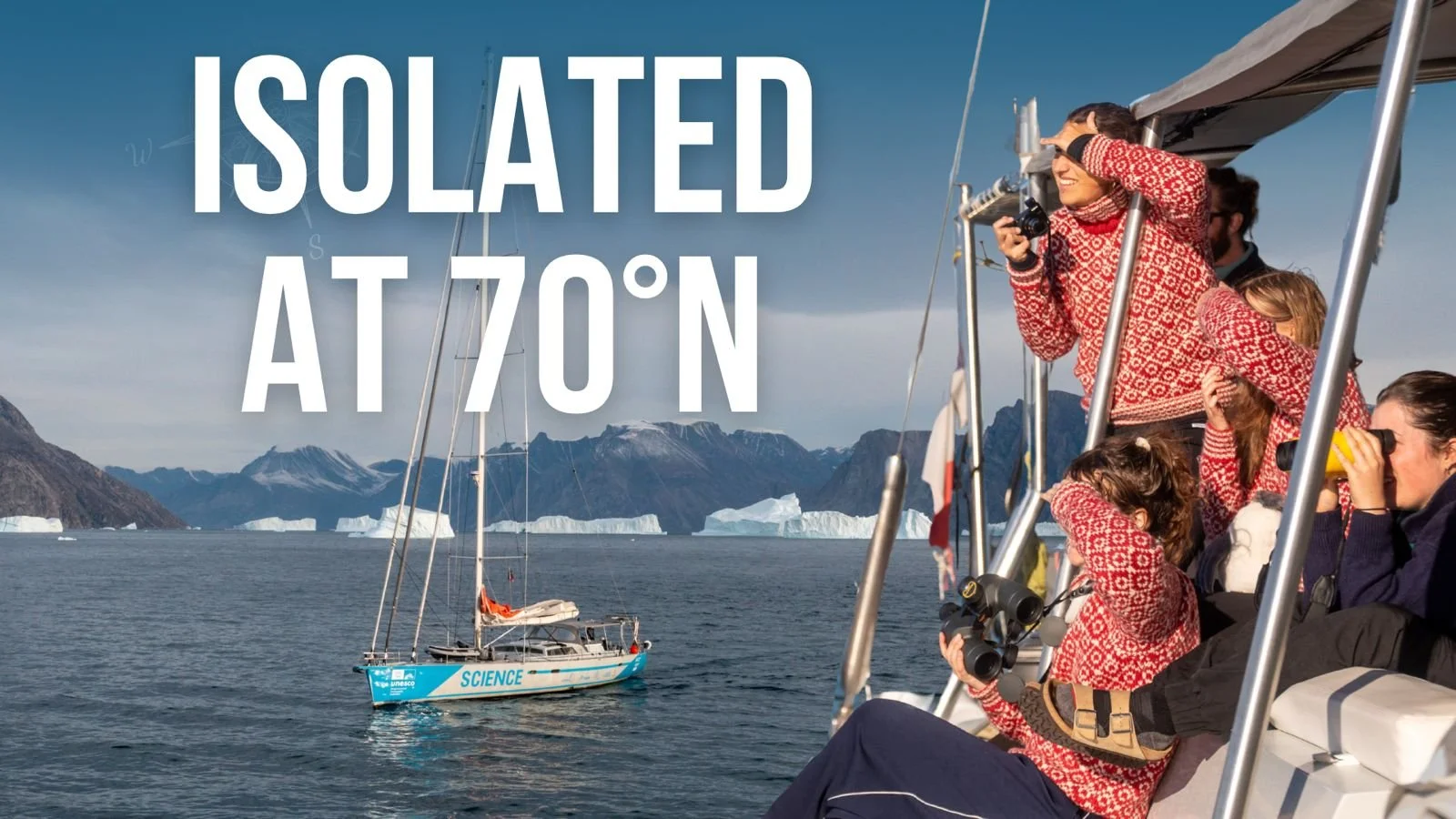
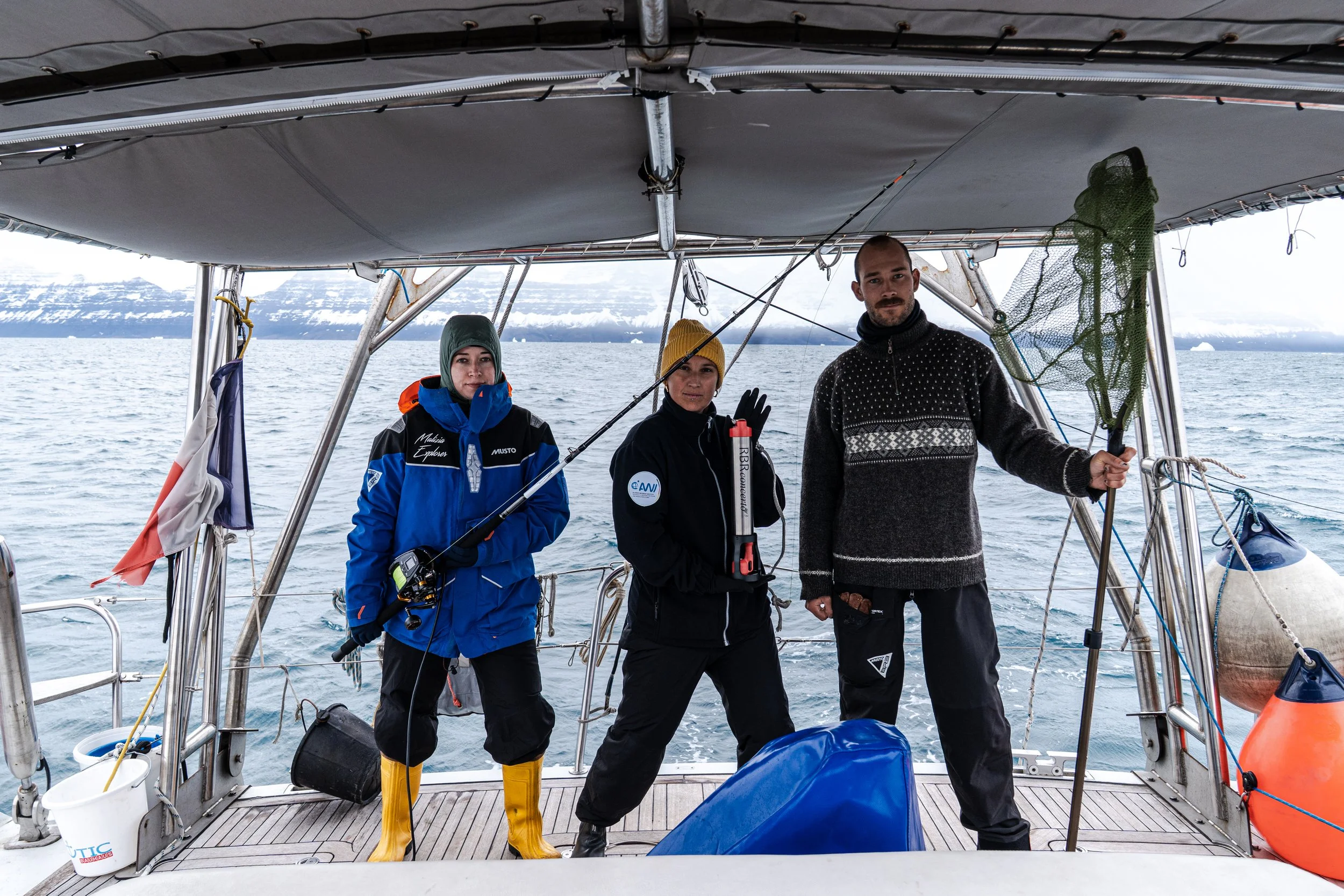
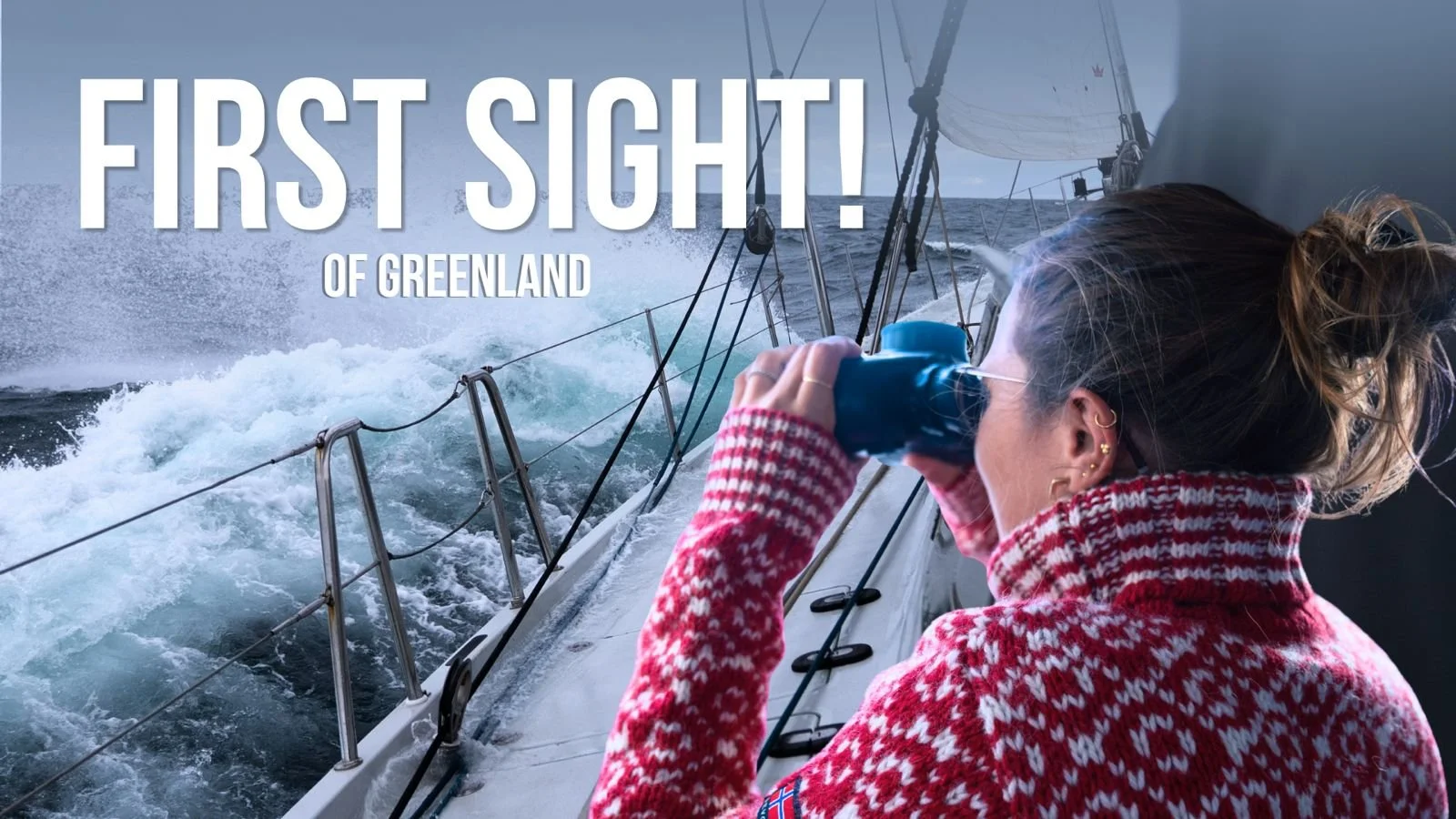
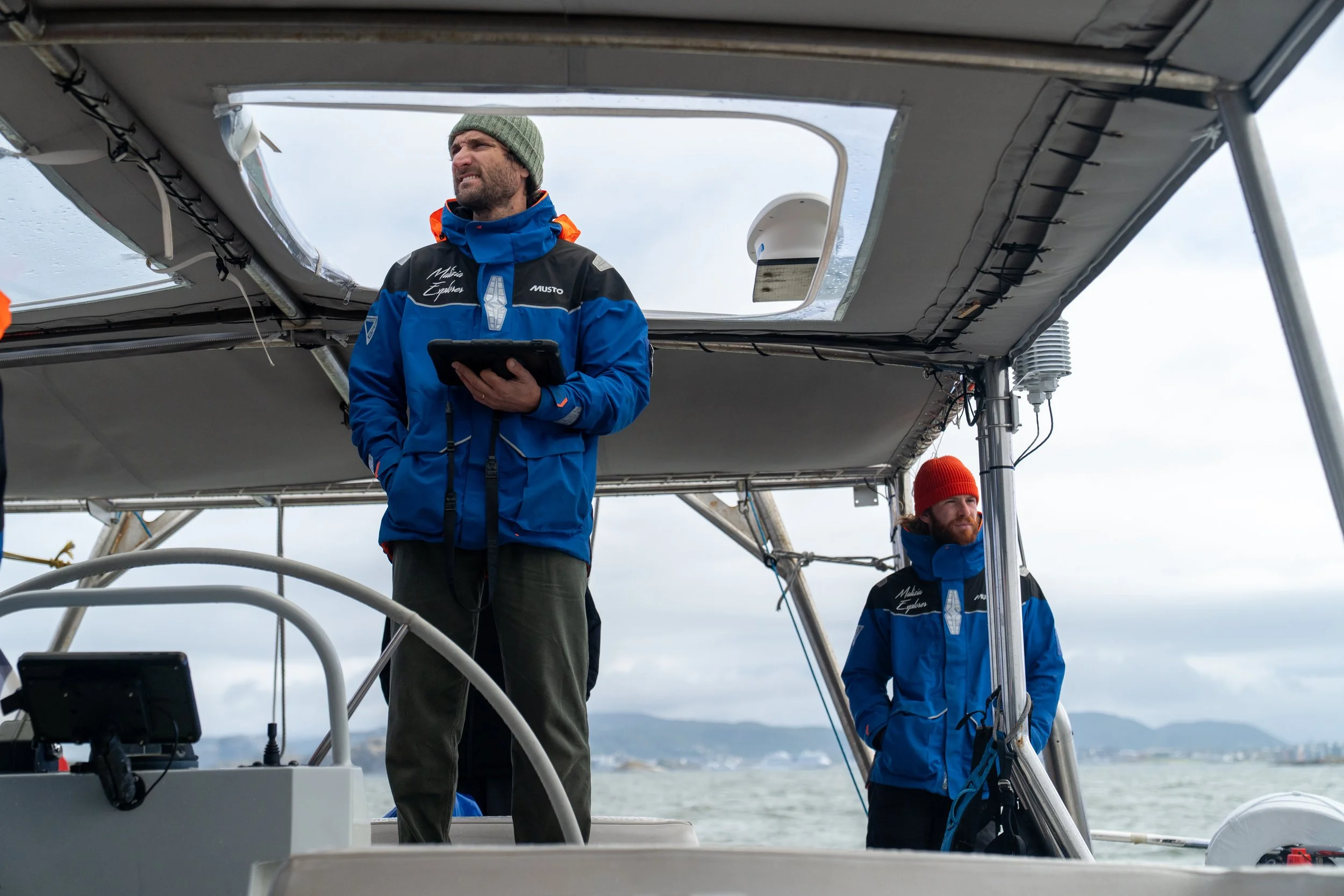
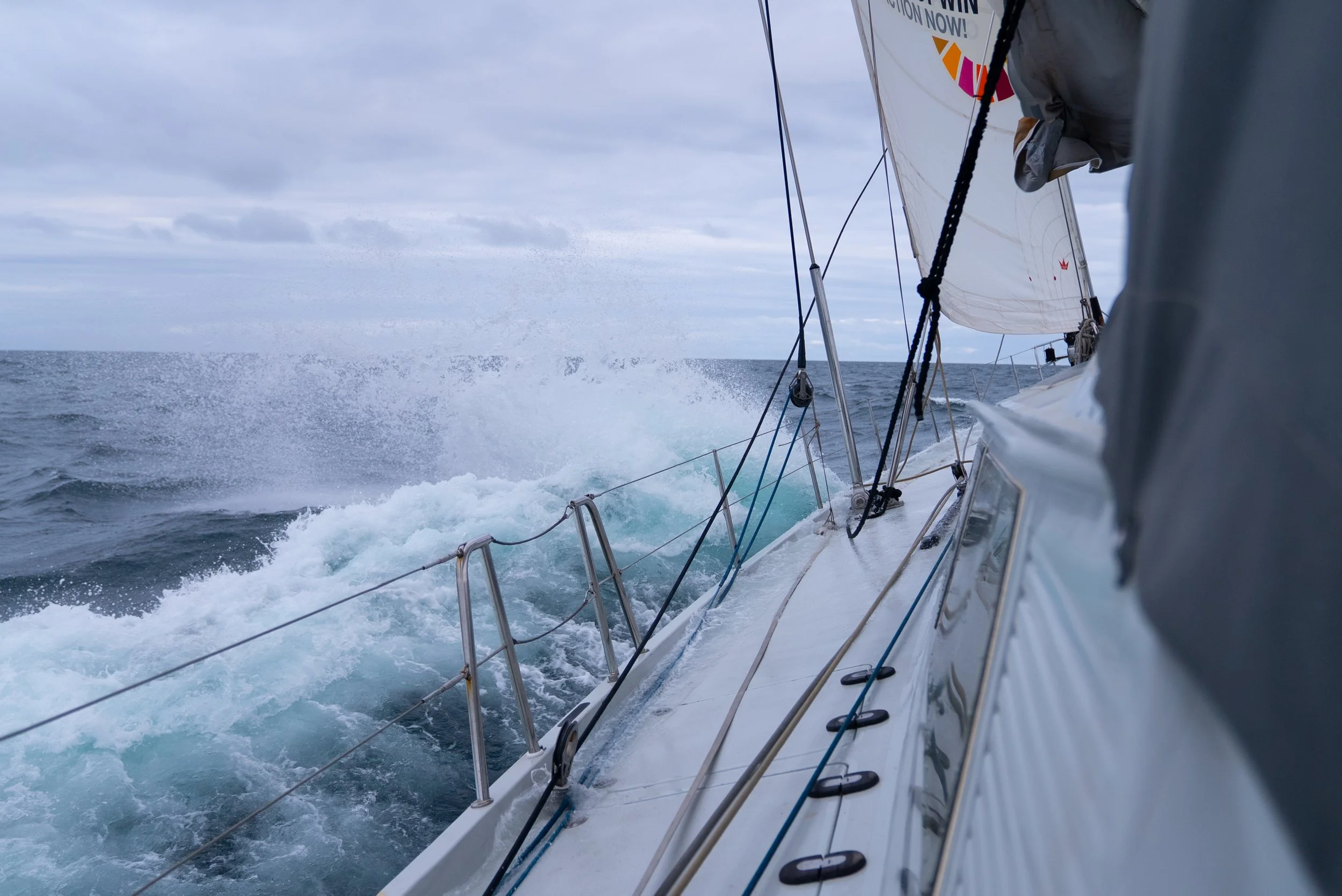
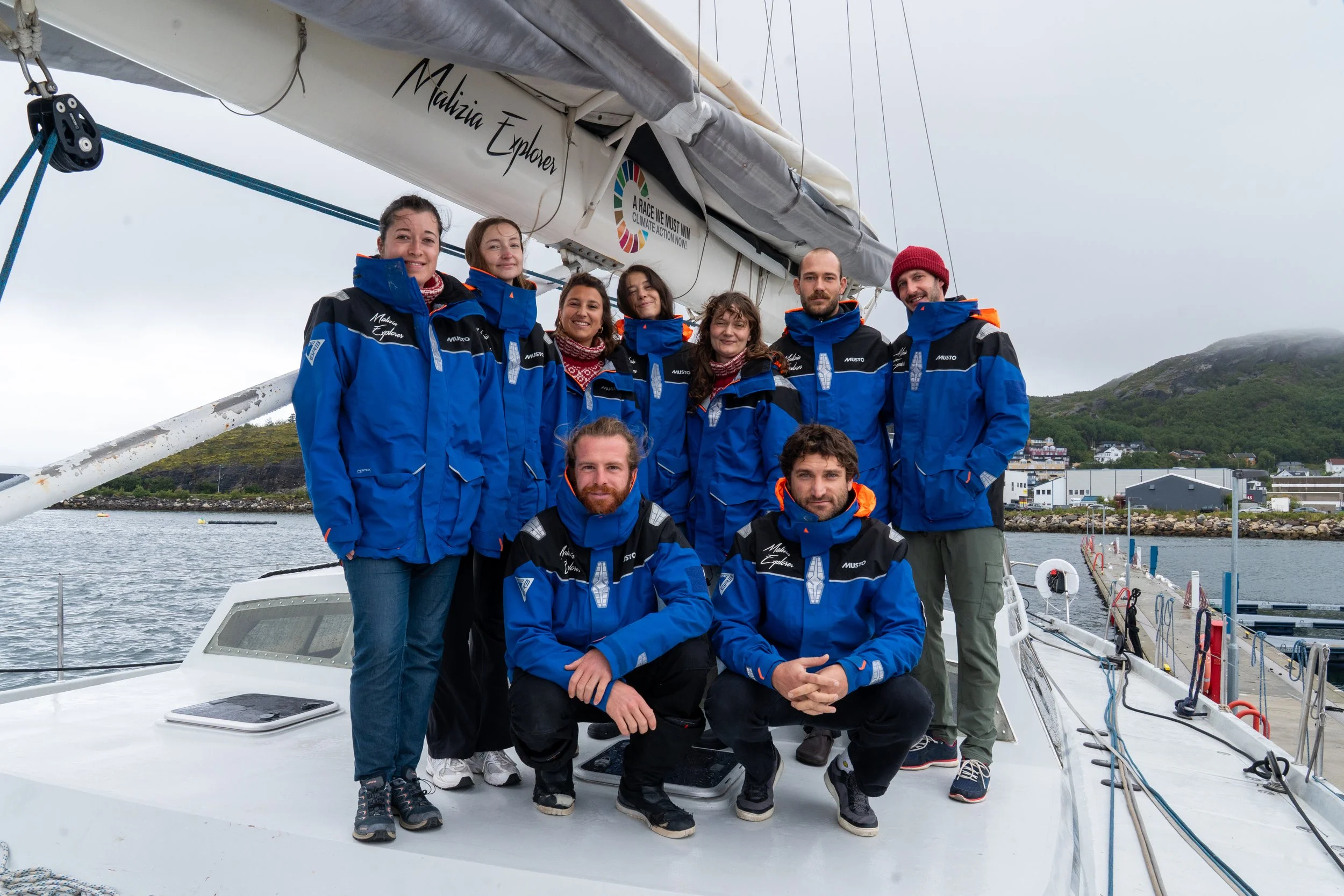
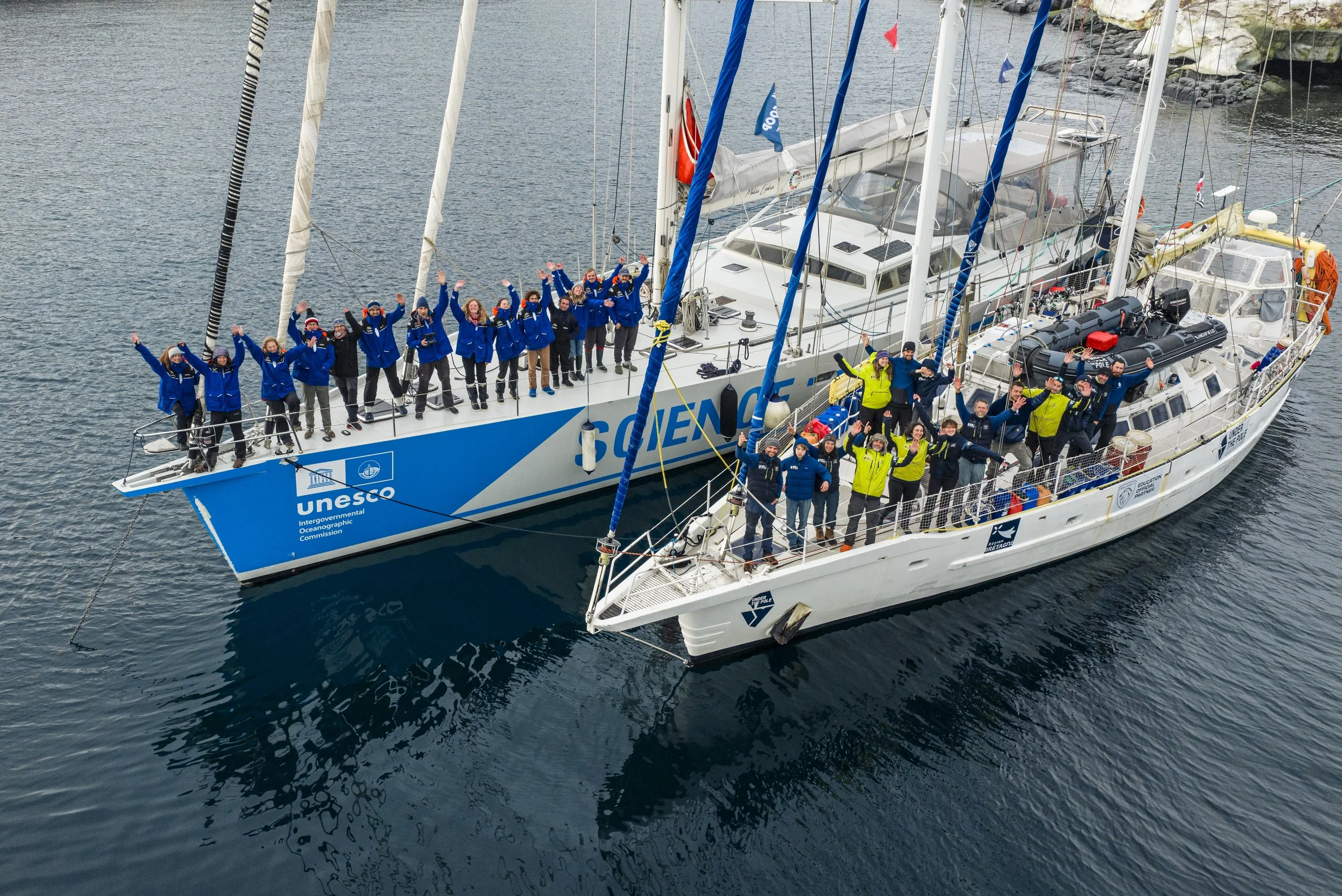
For the month of September 2026, a team of researchers made up of climate modelers and oceanographers as well as marine biologists and marine acoustic experts came onboard the Malizia Explorer to study the both the soundscape of the Kangertittivaq fjord system in Greenland as well as how incoming Atlantic Water spreads through the fjord systems.
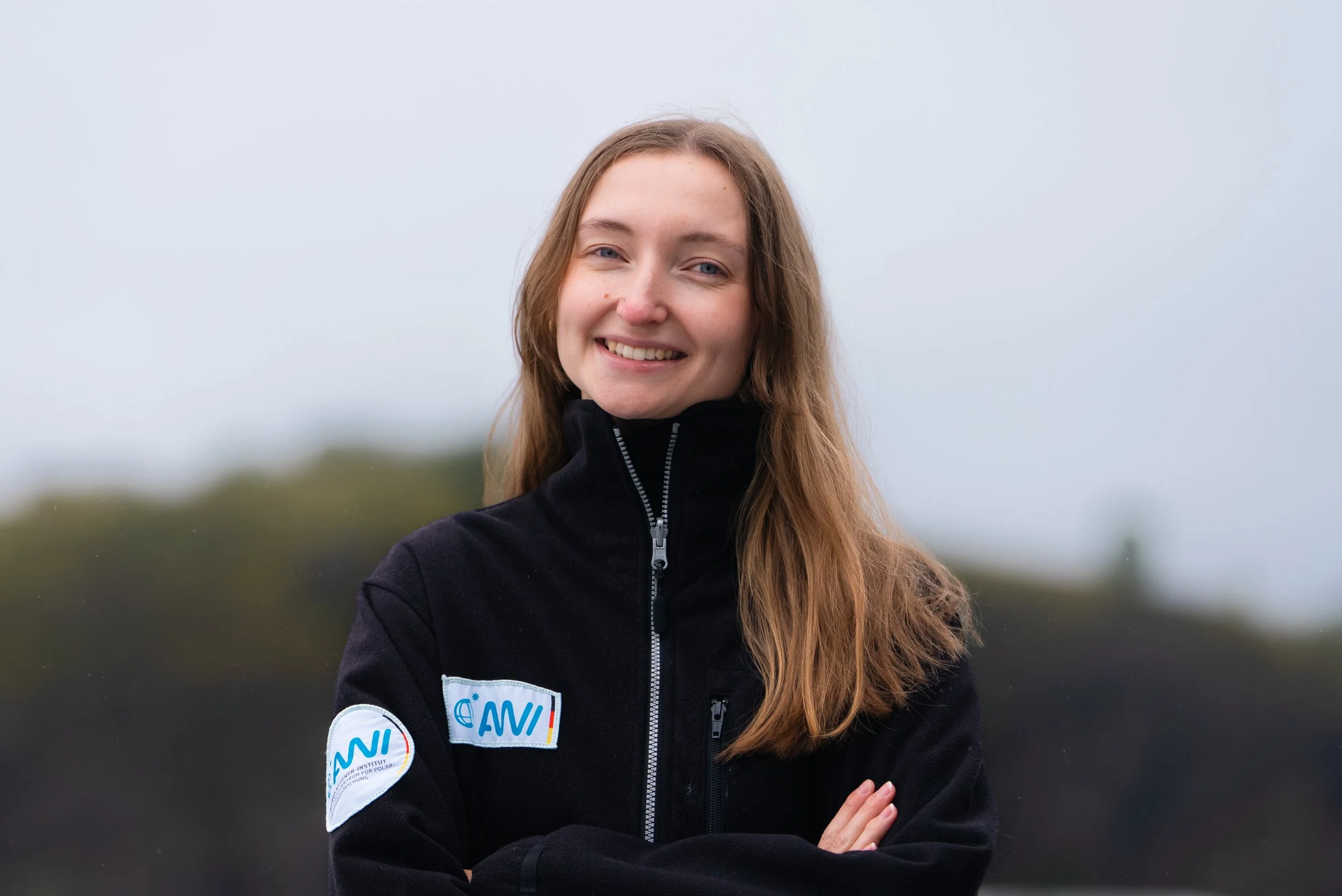
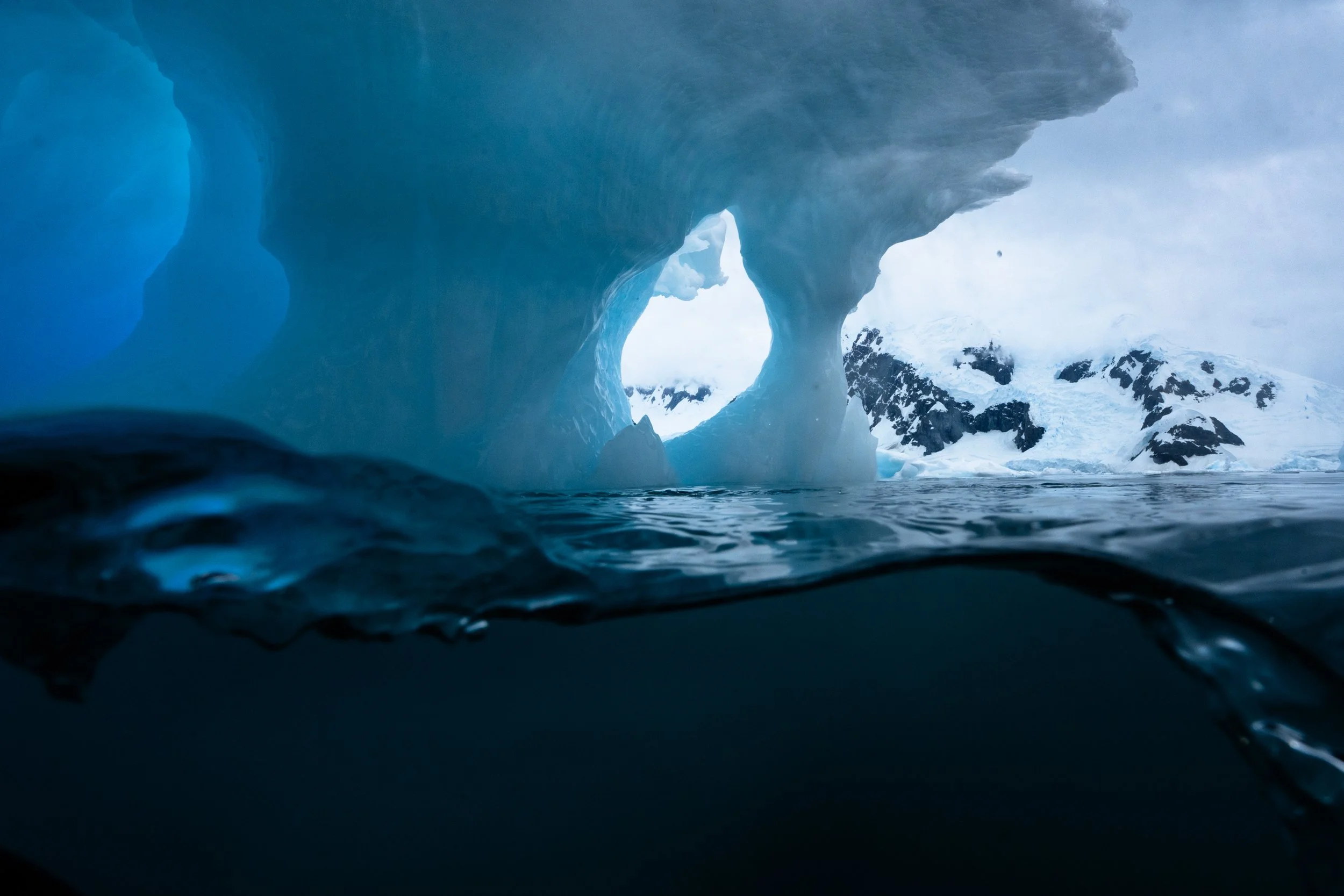
Greenland’s glaciers are retreating in part due to warming ocean waters entering the glacial fjords at subsurface levels and melting the glaciers. “Recent observations show that the Atlantic Water here markedly cooled after 2018 and has been in a cold phase since, possibly reaching a turning point toward warmer conditions in 2024.” says expedition co-lead Martina Zapponini, climate modeler from the Alfred Wegener Institute. Throughout September of 2026, the team therefore collected data to map the spread and evolution of Atlantic Water in Kangertittivaq, including whether its recent cold phase is shifting, as well as the outflow of fresh glacier meltwater from the fjord system to the shelf.
In a second project, the AWI-team focussed on the underwater soundscape, collecting “passive acoustic monitoring data to characterise ambient underwater sound conditions, especially the vessel activity in the fjord”, said Dr. Svenja Wöhle from AWI’s ocean acoustics group and co-leader of the expedition. “Underwater noise caused by humans is increasingly recognized as an important environmental pressure in marine ecosystems, particularly for acoustically sensitive animals such as marine mammals and fish.”
Read more