Bring your Science onboard
We welcome research institutes and scientific organisations to propose projects that can be integrated into our sailing programme or developed as dedicated scientific missions.
About the Vessel
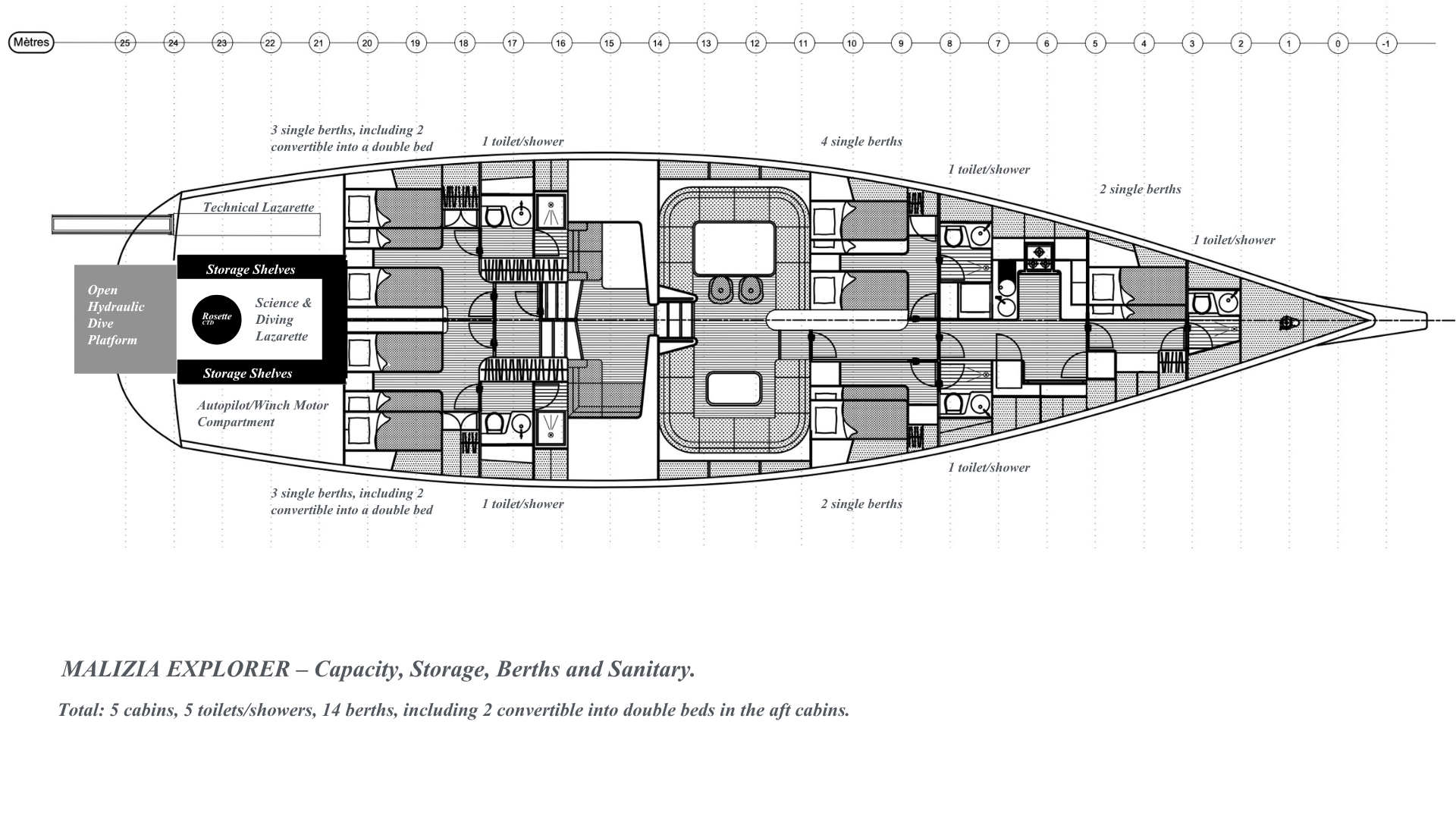
25.99 m length
7 m width
Draft 2.5-4.5 m (keel down)
Mast height: 40m
Up to 4 professional crew
Up to 9 scientists / project personnel
14 persons maximum onboard
Spacious central mess with two large tables and a TV for meetings, presentations, and collaborative work. Accommodates up to 25 people for dockside or nearshore events, subject to local maritime regulations.
Overview of our vessel
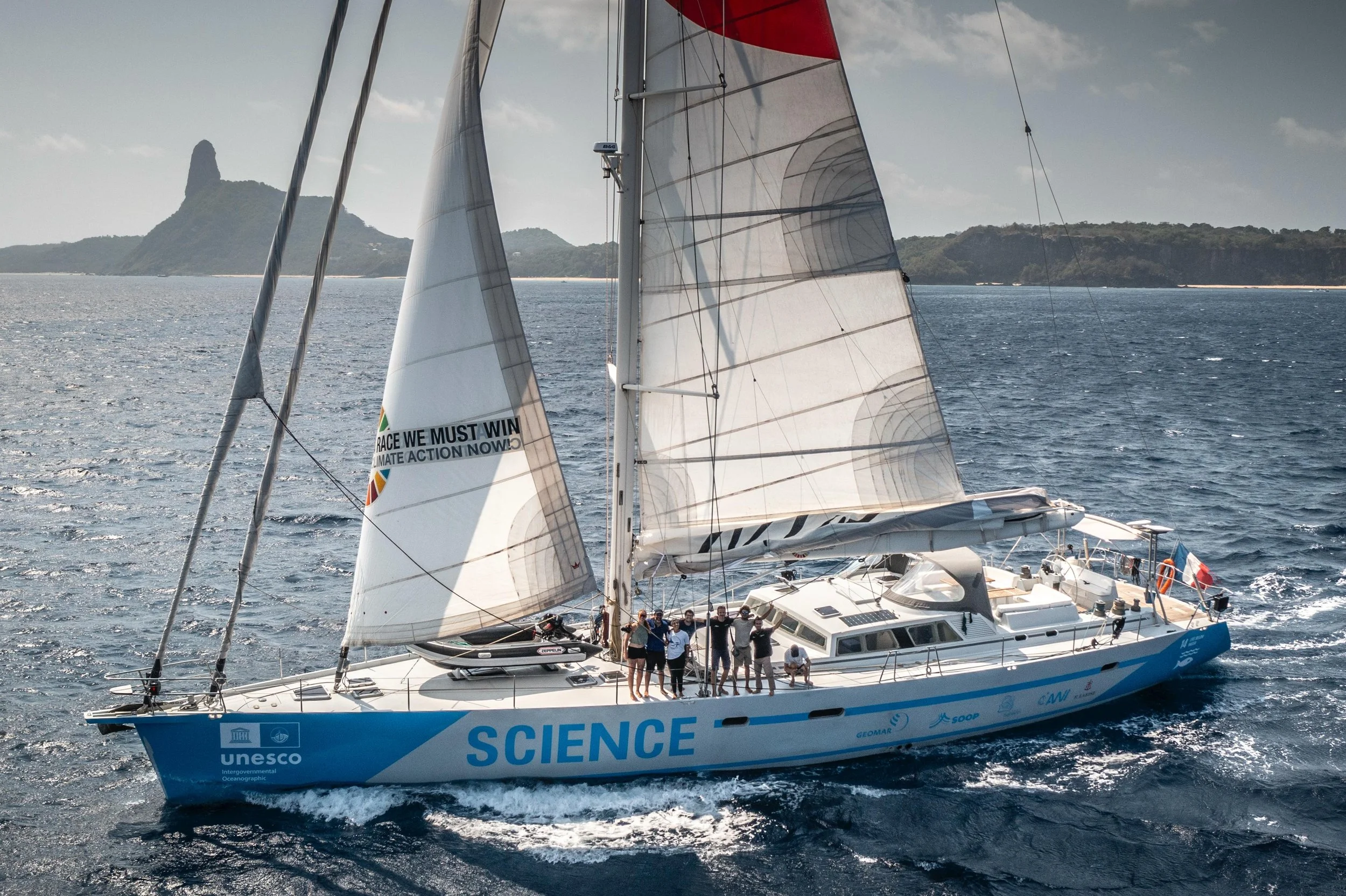
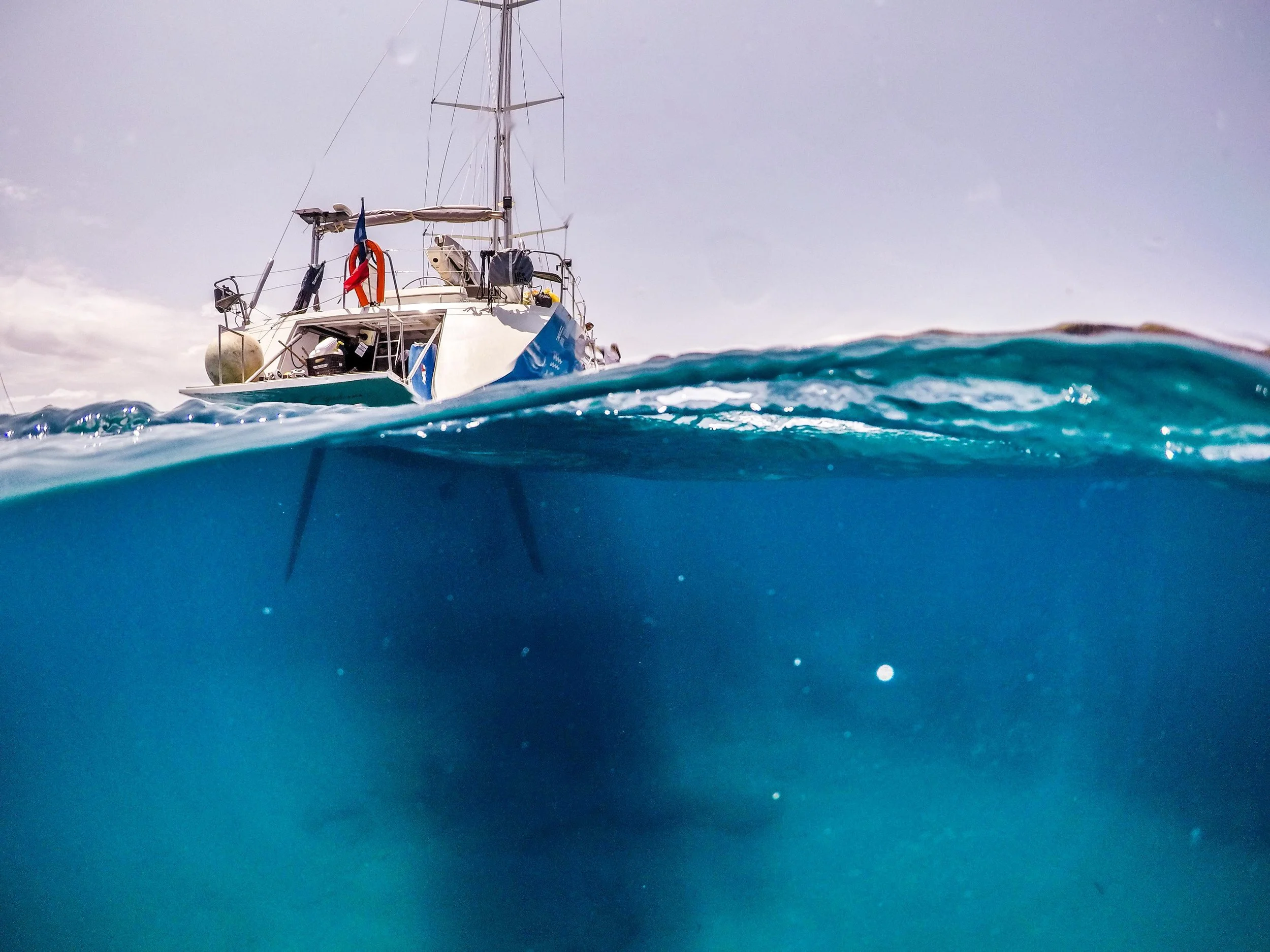
Malizia Explorer is a 26.3 m aluminium sailing research and expedition vessel offering scientific teams a flexible, lower-impact platform for oceanographic and environmental research in remote regions, from Antarctica to the Arctic.
Designed for offshore and international navigation, her size and sailing capability enable access to remote and shallow areas that can be difficult or costly to reach with larger research vessels. She can accommodate scientific teams of up to 9 people and provides working, storage and deployment infrastructure for scientific equipment, together with satellite connectivity for data transfer and remote collaboration.
Particularly suited to targeted observations and small-team expeditions, Malizia Explorer complements conventional research vessels by providing a flexible platform for missions where mobility, access and adaptability are key.
What instruments are onboard?
-
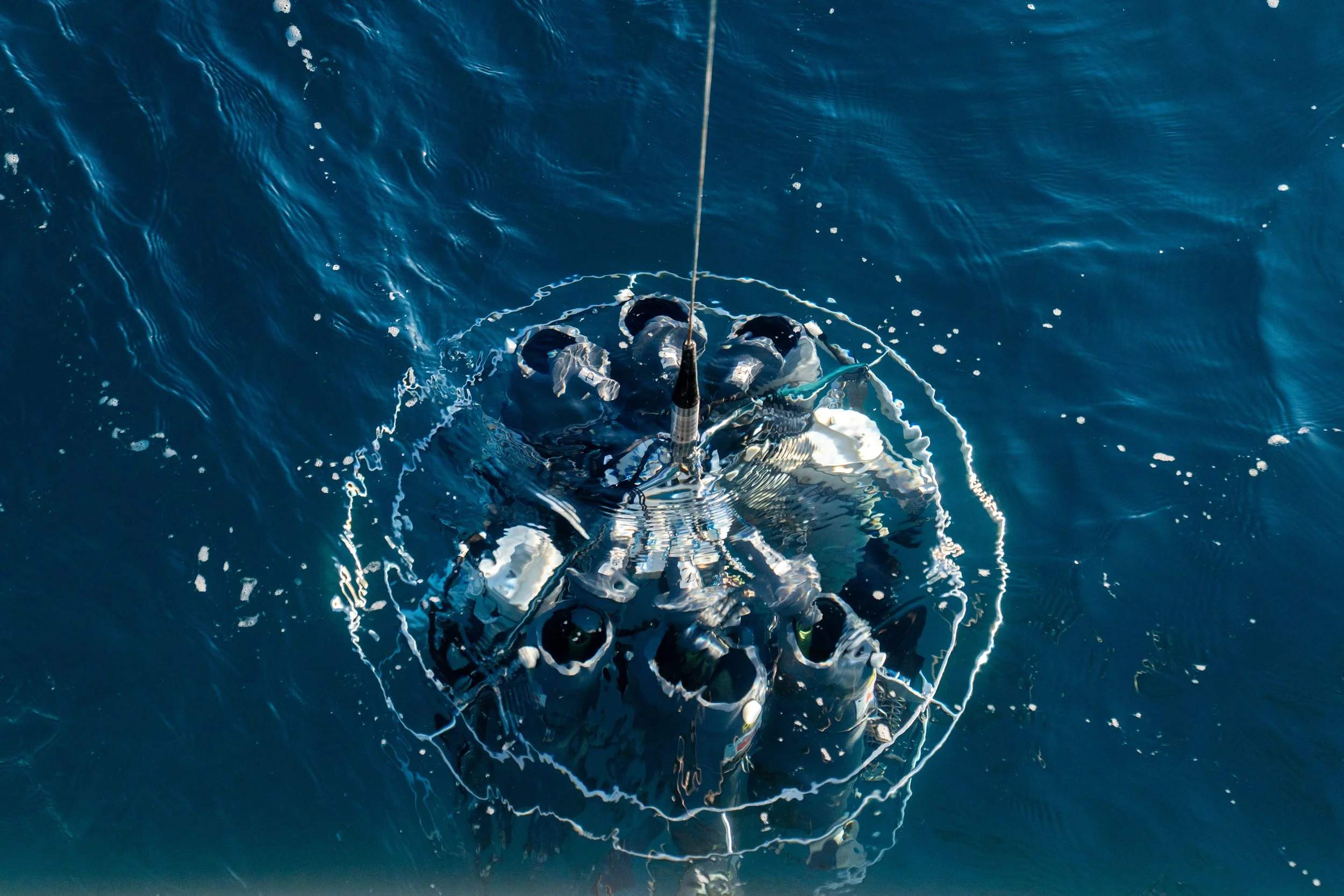
CTD Rosette – Sea-Bird SBE 55
Six × 4 L sampling bottles, combined with CTD and additional sensors for temperature, conductivity/salinity, pressure, dissolved oxygen, chlorophyll, CDOM and other optical measurements.
The current system can be deployed from the stern using the A-frame and MacArtney CORMAC M2 winch down to 480 m.
OceanPack – SubCtech
Continuous underway surface-water measurements, including:
CO₂
O₂
salinity
temperature.
The system can support additional surface parameters.
-
Malizia Explorer is equipped for both targeted plankton sampling and continuous biological imaging, supporting the assessment of plankton biodiversity, abundance, size distribution and community composition.
50 µm Plankton Net + PlanktoScope
Targeted collection of plankton samples followed by high-resolution onboard imaging of organisms approximately 5-300 µm.Together, these systems can contribute to standardized datasets for ecological and oceanographic analysis.
-
Automatic Weather Station
Continuous measurements of wind, atmospheric pressure, air temperature, humidity and vessel position, with offshore data transmission capabilities.
-
Acoustics & Bathymetry
Deck-mounted support system for the deployment of acoustic and bathymetric instruments.
-
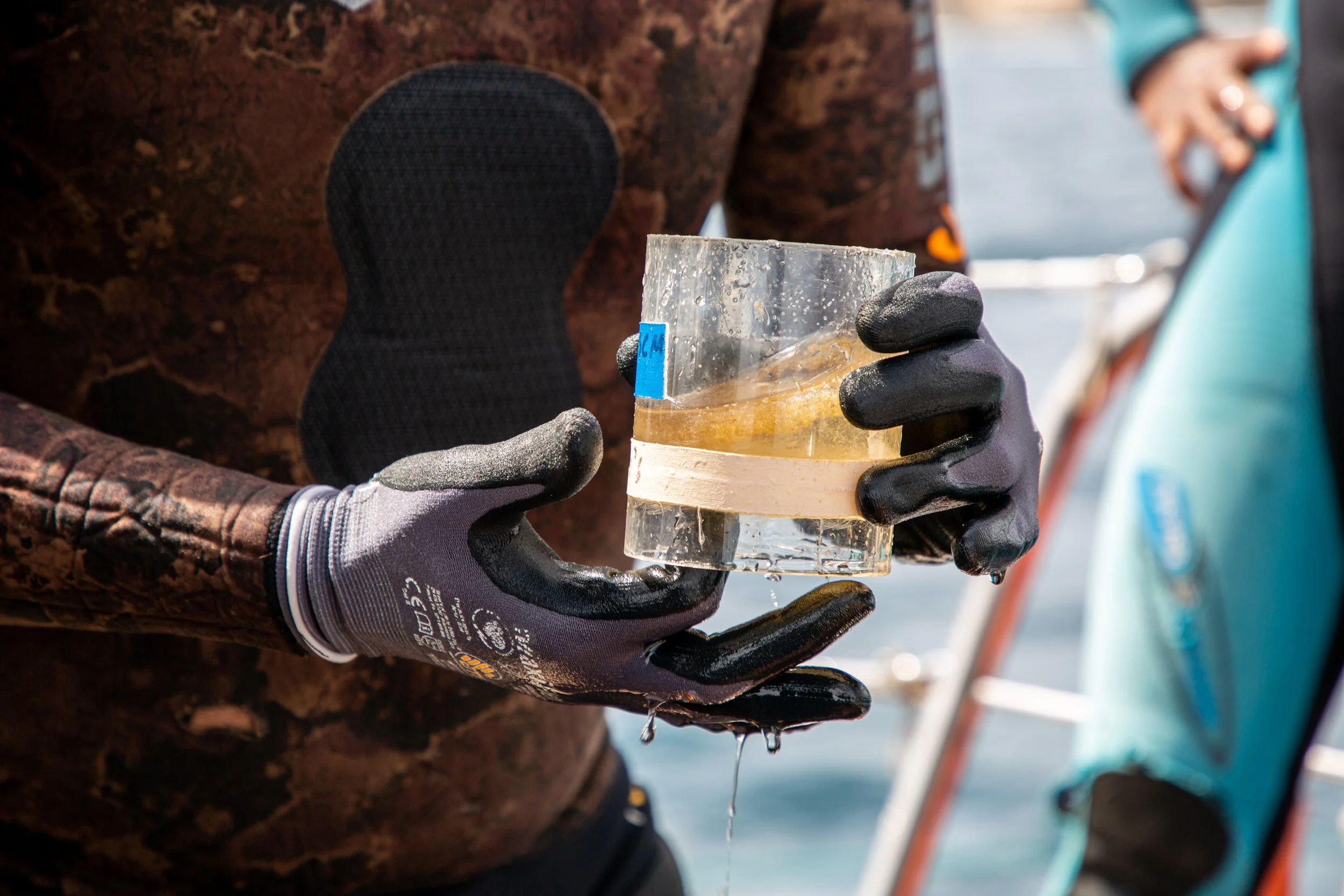
Malizia Explorer supports scientific diving, coastal sampling and nearshore operations directly from the vessel, subject to mission-specific safety protocols and operating conditions.
Available equipment:
4 diving sets
Bauer Junior II compressor, 225 bar
4 m RIB, 20 HP
3.4 m secondary dinghy, 8 HP
-
Your Instruments. Our Platform.
Malizia Explorer is designed as a flexible research platform. Scientific teams can use the vessel’s existing instrumentation or propose the integration of mission-specific equipment where technically and operationally feasible.
Potential equipment and deployments include Argo floats and drifters, buoys, hydrophones, acoustic and bathymetric systems, additional CTDs and sensors, and sampling equipment.
If your instrument is not already onboard, it can still be considered as part of your project proposal.
Future / Planned Capability
UVP6-HF integrated with the CTD for high-resolution vertical plankton observations.
Handheld CTD to provide complementary environmental information for PlanktoScope sampling.
Bathymetry sensor data logger, NF-GEBCO Seabed2030/ AWI
-
From measurement to scientific data
Data collection protocols, calibration procedures and QA/QC workflows are defined with scientific partners according to mission requirements.
Calibration
Instrument-specific calibration procedures and records.QA/QC
Mission-specific quality-control workflows developed with scientific partners.Data management
Data transfer, processing, storage and delivery agreed for each scientific project.Repositories & networks
Where applicable, datasets can contribute to established scientific repositories, observing programmes or partner databases.Data Accessibility
We are committed to promoting open science and encourage all scientific projects supported by Malizia Explorer to make their research data openly accessible whenever possible. We encourage data deposition in recognised scientific repositories, while allowing reasonable embargo periods for scientific publication
WHERE WE’RE GOING
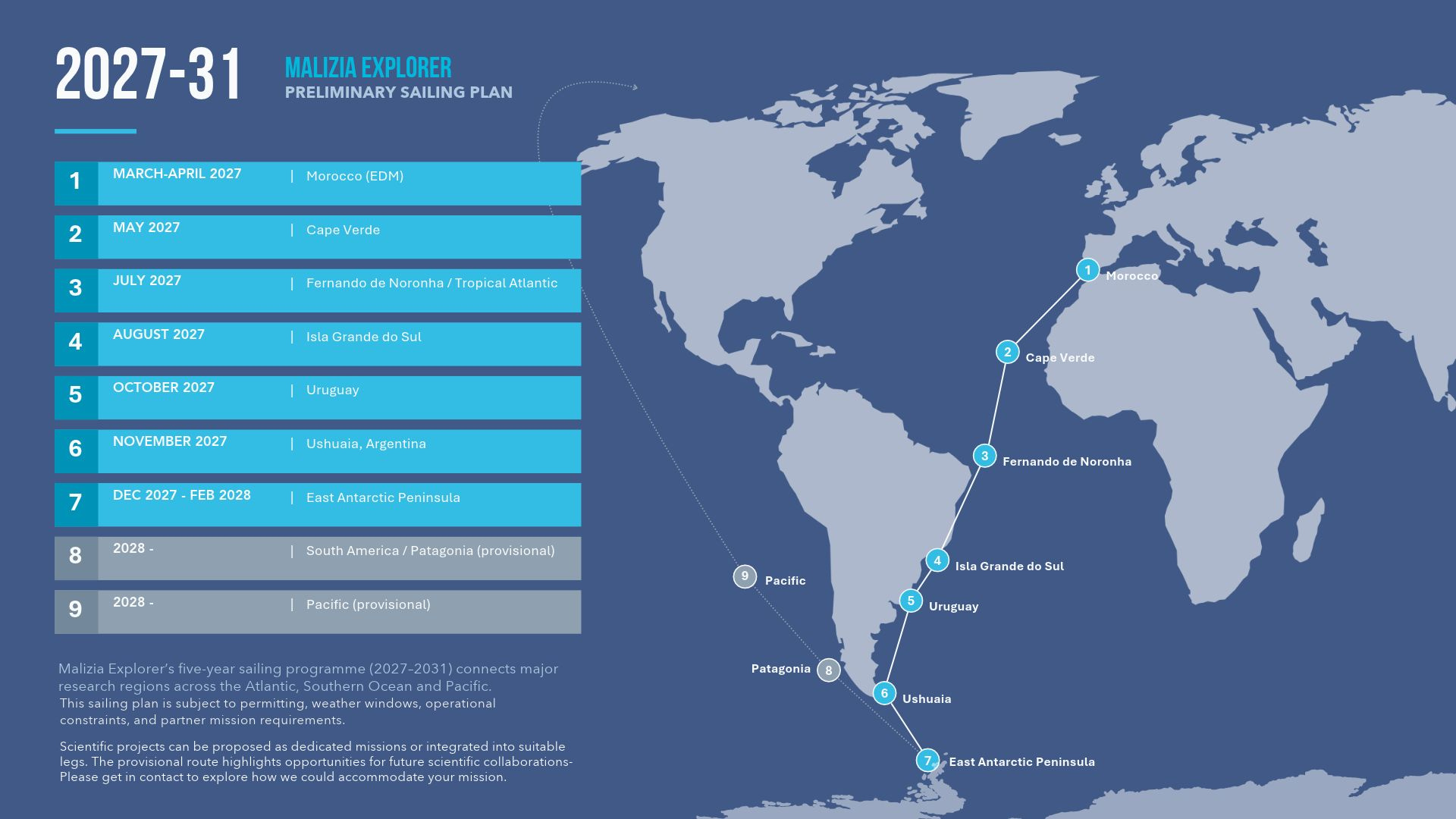
Malizia Explorer’s five-year sailing programme (2027-2031) will connect major research regions across the Atlantic, Southern Ocean and Pacific.
Morocco → Cape Verde → Fernando de Noronha / Tropical Atlantic → South America → Antarctica → Pacific
Scientific projects can be proposed as dedicated missions or integrated into suitable legs of the existing sailing programme. The route highlights regions where opportunities for future scientific collaborations are available.
What Projects are we looking for?
We welcome project proposals in areas including:
Physical & chemical oceanography
Ocean carbon & climate
Plankton & biodiversity
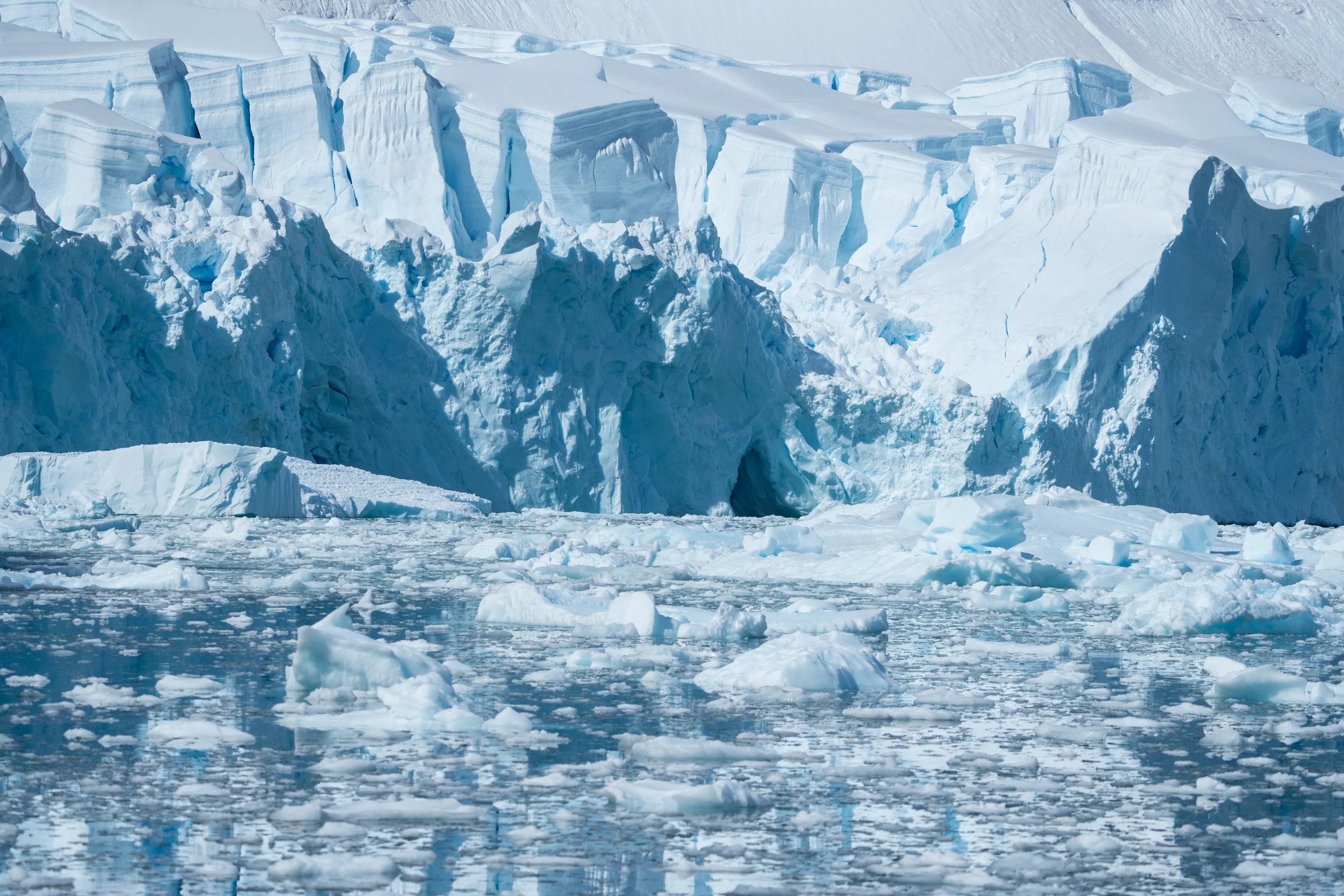
Polar science
Marine ecosystems & MPAs
Coastal ecology
Bathymetry
Marine acoustics
Atmospheric observations
Ocean technology & autonomous observing systems
Interdisciplinary projects
Other research areas are welcome. Projects are assessed according to scientific objectives, geographical and schedule compatibility, technical feasibility, available capacity, safety requirements and compatibility with the vessel's capabilities and potential for collaboration.
All proposed scientific projects are first reviewed internally by the Malizia Explorer team to assess their suitability for the vessel, operational feasibility and compatibility with the sailing schedule. They are then submitted to our Scientific Advisory Board, representing different scientific institutions, for independent assessment of their scientific merit and feasibility within the scope of our missions.
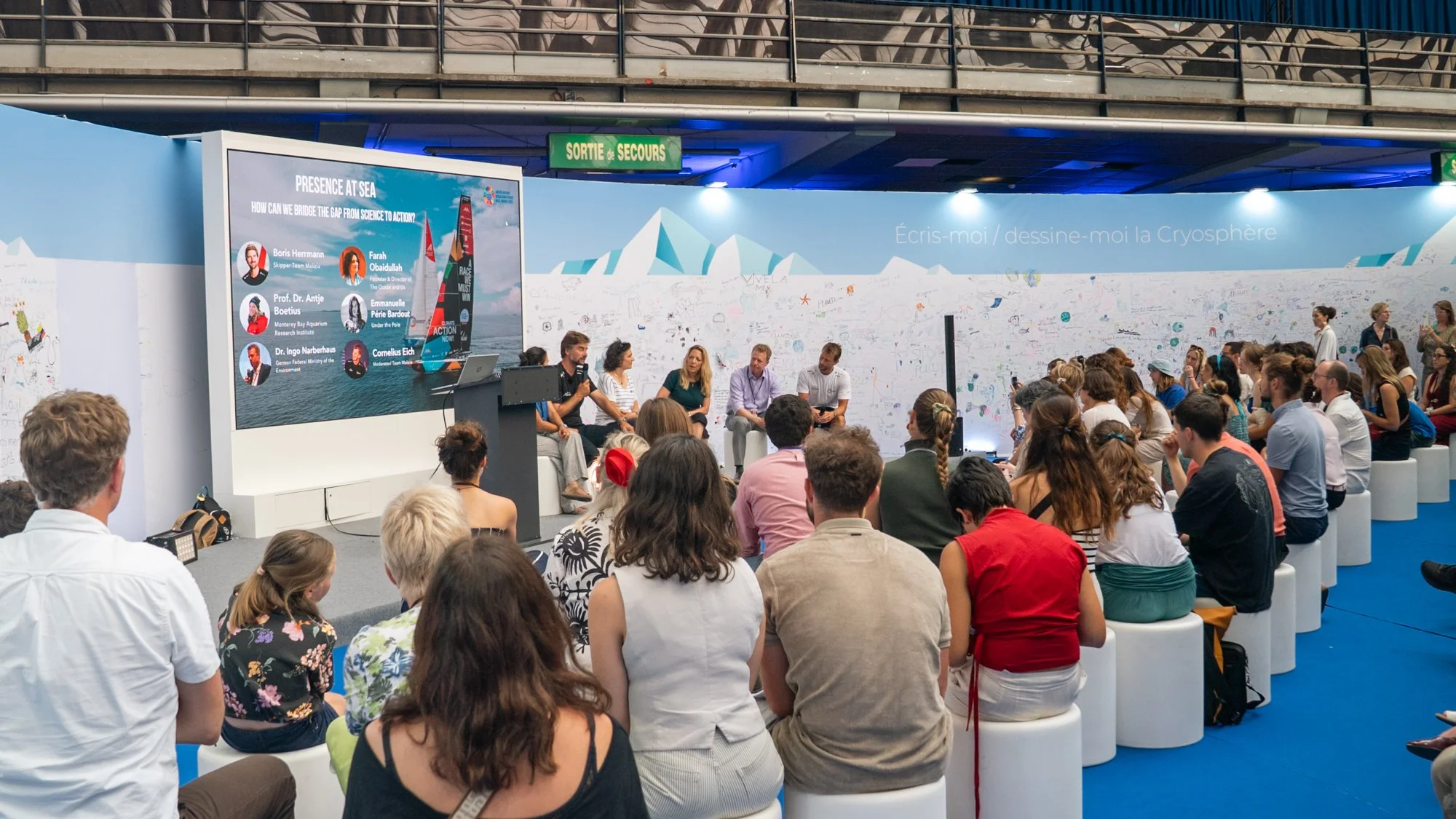
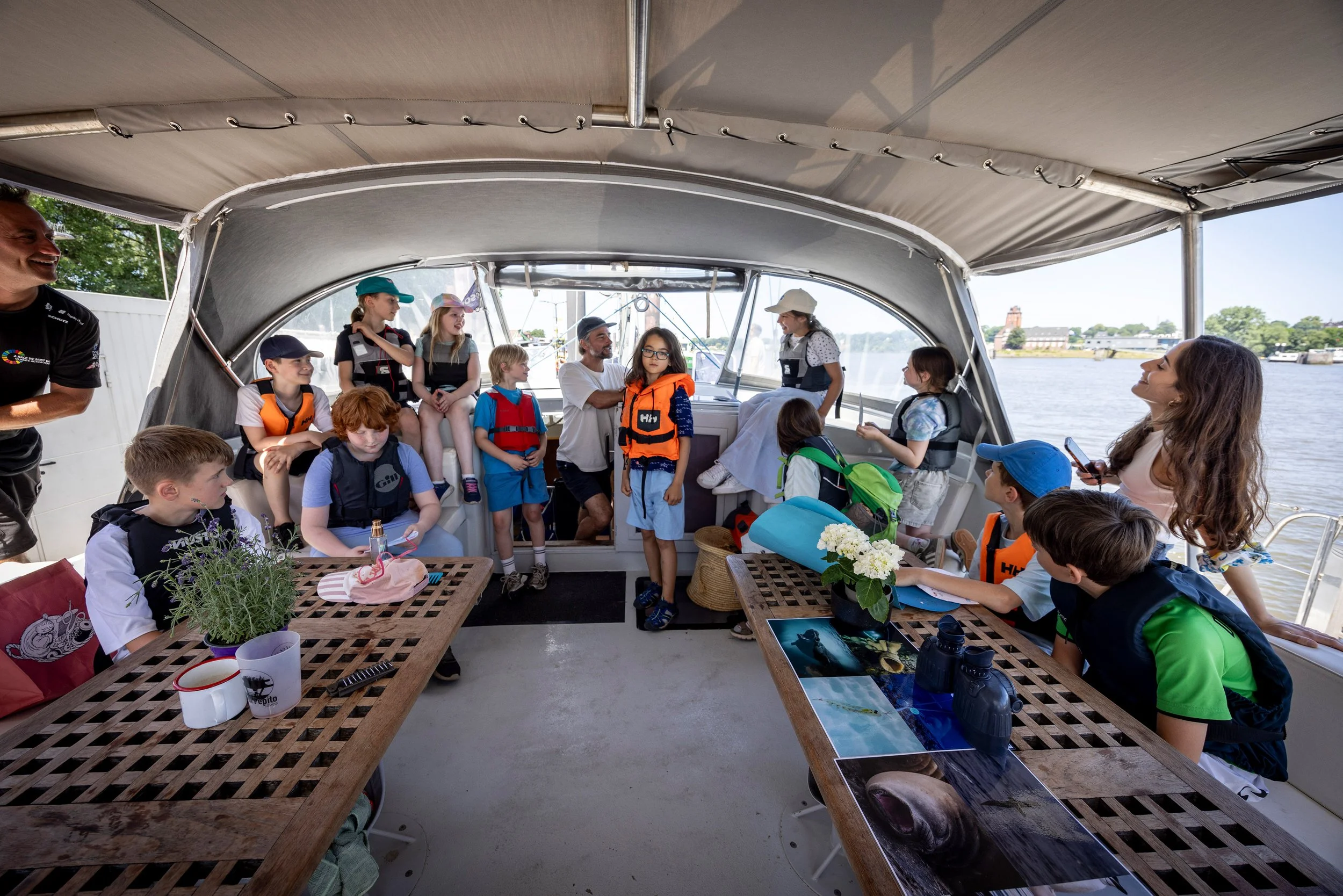
Science, Policy & Public Engagement
Scientific projects aboard Malizia Explorer can be supported by communication, education and outreach activities designed to broaden public understanding of ocean science and support evidence-informed ocean protection.
Working with research institutions, we explore opportunities to share scientific findings with wider audiences through media, public events and educational formats. This can include connecting researchers with schools through Team Malizia’s My Ocean Challenge education programme, contributing to public engagement events, and communicating research through the Malizia Explorer and Team Malizia media platforms.
Where relevant, these activities can also help bring scientific evidence to the attention of policymakers, institutions and other stakeholders, strengthening the connection between ocean science and the decisions that shape its future.
Malizia Explorer works with leading oceanographic research institutions to develop scientific missions, instrumentation and long-term ocean observations. Collaborations include instrumentation, mission development, data analysis and training opportunities. Learn more about our partnerships.
Submit Your Science Project
Bring Your Research Onboard
If your institute or research group has a project that could benefit from Malizia Explorer, fill out our FORM TO SUBMIT SCIENCE PROJECT and tell us about your scientific objectives, geographical requirements and technical needs.
Our team will assess how your project could be integrated with the vessel’s scientific capabilities and upcoming sailing programme, or developed as a dedicated scientific mission.
Not ready to submit? You can also contact our science managing team: oona@maliziaexplorer.com