
Malizia Explorer Heads North with the Next Generation of Ocean Changemakers
Having left the calm waters of the Baltic Sea behind, Malizia Explorer has made her way from Kiel through the Kiel Canal and is now sailing north towards Bodø, Norway. This delivery voyage, however, is much more than a passage to the vessel's next scientific mission. Over the next 20 days, it will become a floating classroom, research platform and storytelling hub for ten young ocean changemakers.
On board are ten participants from Waves of Action, the youth initiative of the Okeanos Foundation for the Sea. Selected for their outstanding commitment to ocean conservation and sustainability, they will spend the coming weeks sailing, learning, conducting research and developing educational outreach centred around one remarkable marine ecosystem: kelp forests.
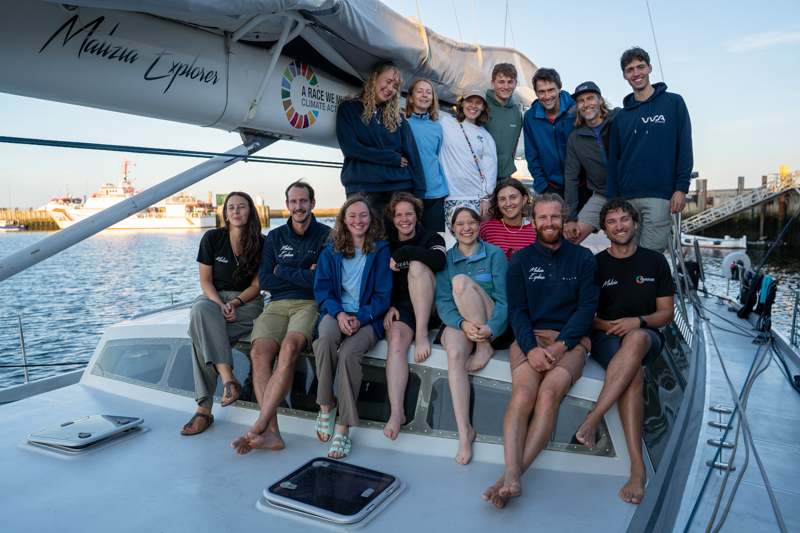
© Paula Baierlein
The voyage follows an intensive month of scientific research in the Baltic Sea. Throughout July, Malizia Explorer hosted researchers from GEOMAR Helmholtz Centre for Ocean Research Kiel, who investigated seagrass meadows, phytoplankton communities and the changing health of the Baltic Sea. The month concluded with a Greenpeace Germany expedition documenting oxygen depleted dead zones and collecting scientific evidence to support calls for stronger political action to reduce nutrient pollution entering the Baltic.
With the vessel now preparing for its next major scientific expedition to Greenland in September, the journey north presented the perfect opportunity to welcome a new generation of scientists, communicators and environmental leaders on board.
The participants joined Malizia Explorer on the 2nd of August 2026 and will remain on board until the vessel reaches Bodø. Along the way, they will visit several locations along the Norwegian coast, meeting researchers, local communities and stakeholders whose work is closely connected to kelp ecosystems as part of this mission called “Kelp Can!”.
Why Kelp?
Kelp is a type of large brown seaweed that forms extensive underwater forests along many of the world's temperate coastlines, including Norway. These forests are biodiversity hotspots, providing food and shelter for countless marine species while supporting coastal fisheries and helping to protect shorelines from wave erosion.
Beyond their ecological importance, kelp forests are increasingly recognised for the many benefits they provide to society. They contribute to healthy coastal ecosystems, support local livelihoods and are attracting growing interest for their potential role in sustainable food production, biomaterials and climate resilience. Yet, like many marine habitats, kelp forests are increasingly threatened by climate change, pollution and changing ocean conditions.
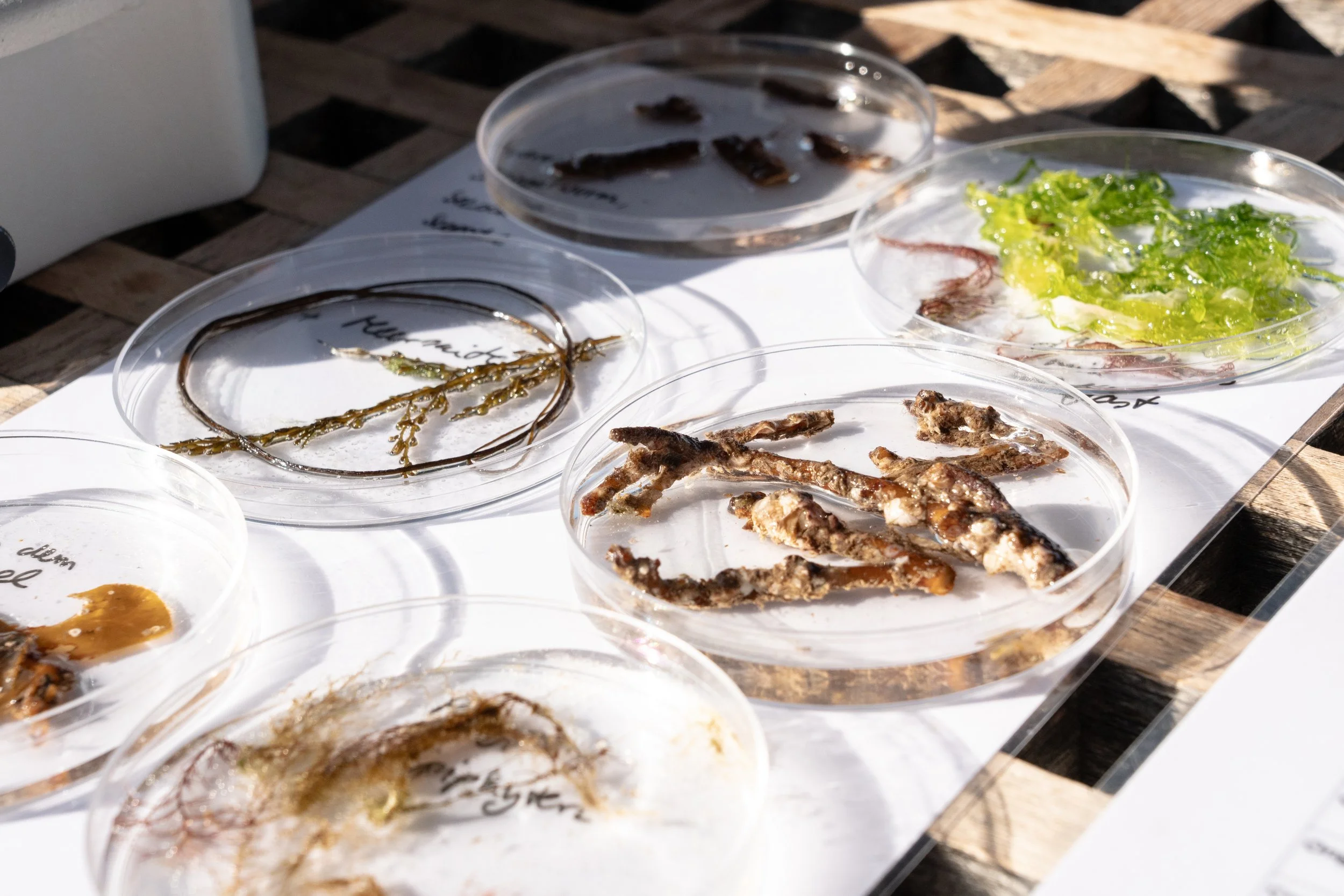
© Lea Wowra
Understanding these ecosystems, their value and the pressures they face is therefore becoming increasingly important.
Learning by Exploring
Throughout the expedition, participants will develop a nuanced understanding of the social, ecological and economic importance of kelp ecosystems. They will learn how to design and carry out their own baseline research and citizen science projects, work with scientific instruments and sampling equipment, and develop new ways of communicating their findings to wider audiences.
The programme combines scientific fieldwork with storytelling and outreach, encouraging participants not only to collect data but also to translate their experiences into engaging content that raises awareness of Europe's underwater forests.
Equally valuable is the diversity of perspectives the group brings on board. Coming from different academic backgrounds and disciplines, participants will explore kelp through a wide range of lenses, from marine ecology and conservation to fisheries, communication and environmental policy.
During the voyage, they will meet leading marine scientists, use professional oceanographic equipment and speak with stakeholders whose livelihoods depend on healthy coastal ecosystems, including lobster fishers and members of the fishing industry. These conversations will provide first hand insight into how changing ocean conditions are affecting kelp forests and the communities connected to them.
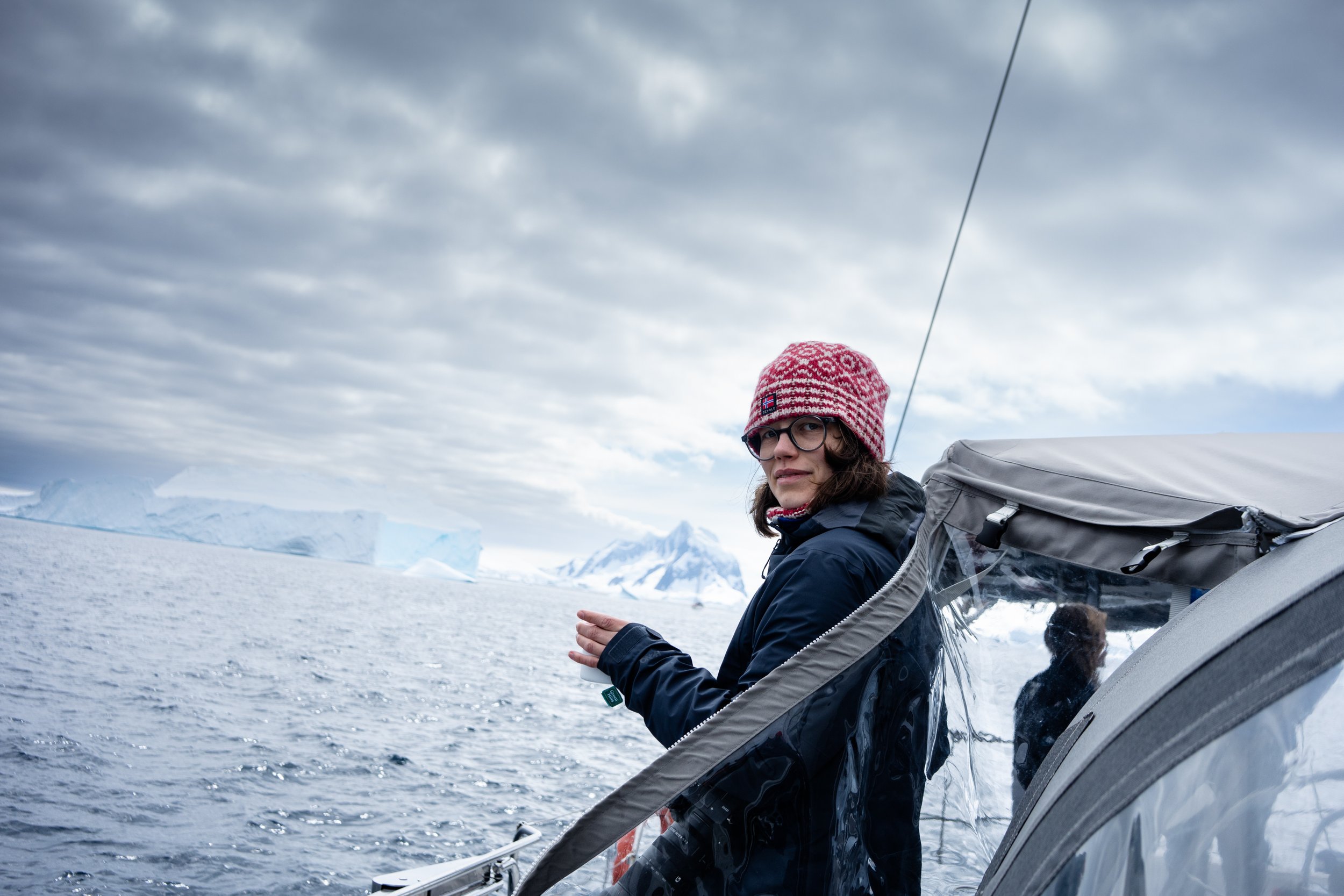
© Marin Le Roux / Malizia Explorer in Antarctica
The expedition is led by journalist and marine scientist Lea Wowra, who previously joined Malizia Explorer during the Global Warming Expedition to Antarctica in early 2026.
"I'm delighted that our journey is now really getting underway. Everyone is excited and looking forward to exploring Norway's underwater forests over the coming weeks. When I was a student myself, I would have dreamt of sailing on a vessel like the Malizia Explorer and, together with other young adults, designing my own expedition, using research equipment and finding creative ways to communicate the experience. Although I am not a student anymore, I am really excited to accompany the journey as an expedition leader - and to still learn many new things along the way!"
