
Bye bye Baltic!
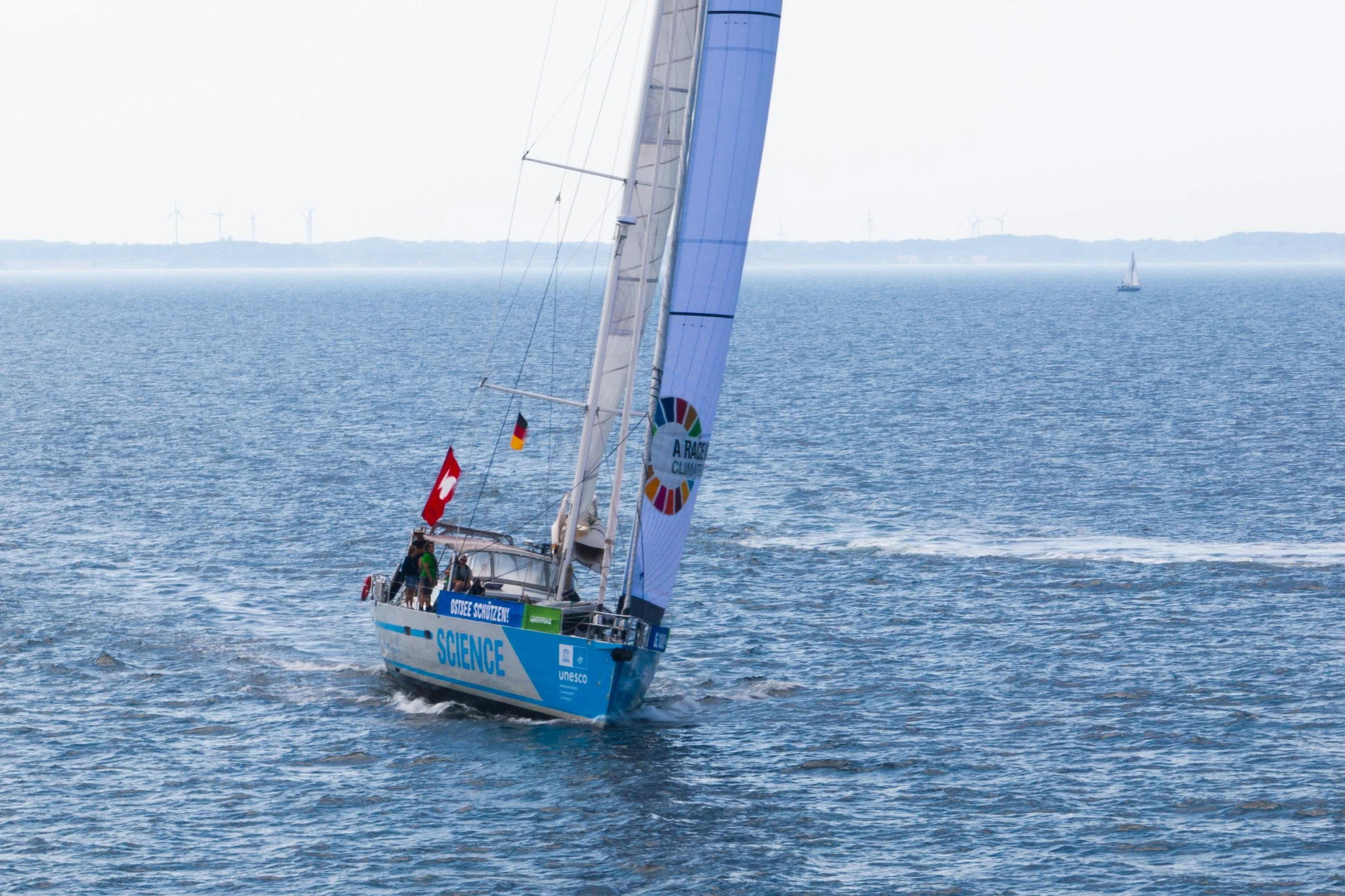
A full month of restless research, data collection and scientific dives has come to an end as Malizia Explorer leaves the Baltic Sea behind.
Although each expedition brought together different scientific teams with different objectives, a common thread ran through the entire month: understanding the health of the Baltic ecosystem and searching for solutions, both nature based and political.
© Lucas Wahl / Greenpeace
The Baltic Sea is a unique marine environment. It is relatively shallow, bordered by nine countries and receives freshwater from more than 200 rivers, carrying nutrients, pollutants and runoff directly into this enclosed basin. As a result, the Baltic is one of the fastest warming seas on the planet and faces a combination of severe environmental pressures, including harmful algal blooms and expanding oxygen depleted dead zones where marine life struggles to survive.
Understanding these changes and identifying ways to tackle them was the focus of the three week research campaign of GEOMAR , who came onboard for three research legs. During these first expeditions, GEOMAR scientists investigated seagrass meadows, assessing their health and resilience while exploring the important role these underwater ecosystems can play as a nature based solution for climate mitigation and biodiversity conservation. The following leg (leg 2/3) focused on phytoplankton and microalgae, bringing together international research teams from GEOMAR, University of Kiel and the University of Southern Denmark to investigate how the species composition and activity of microalgae can be used as indicators of the state of the Baltic Sea, and what contribution they make to the uptake of carbon dioxide (CO₂). The work provides data for the RECOVER and KIMMCO projects.
After three weeks of extensive research, these teams have now returned to the labs to study the collected data.
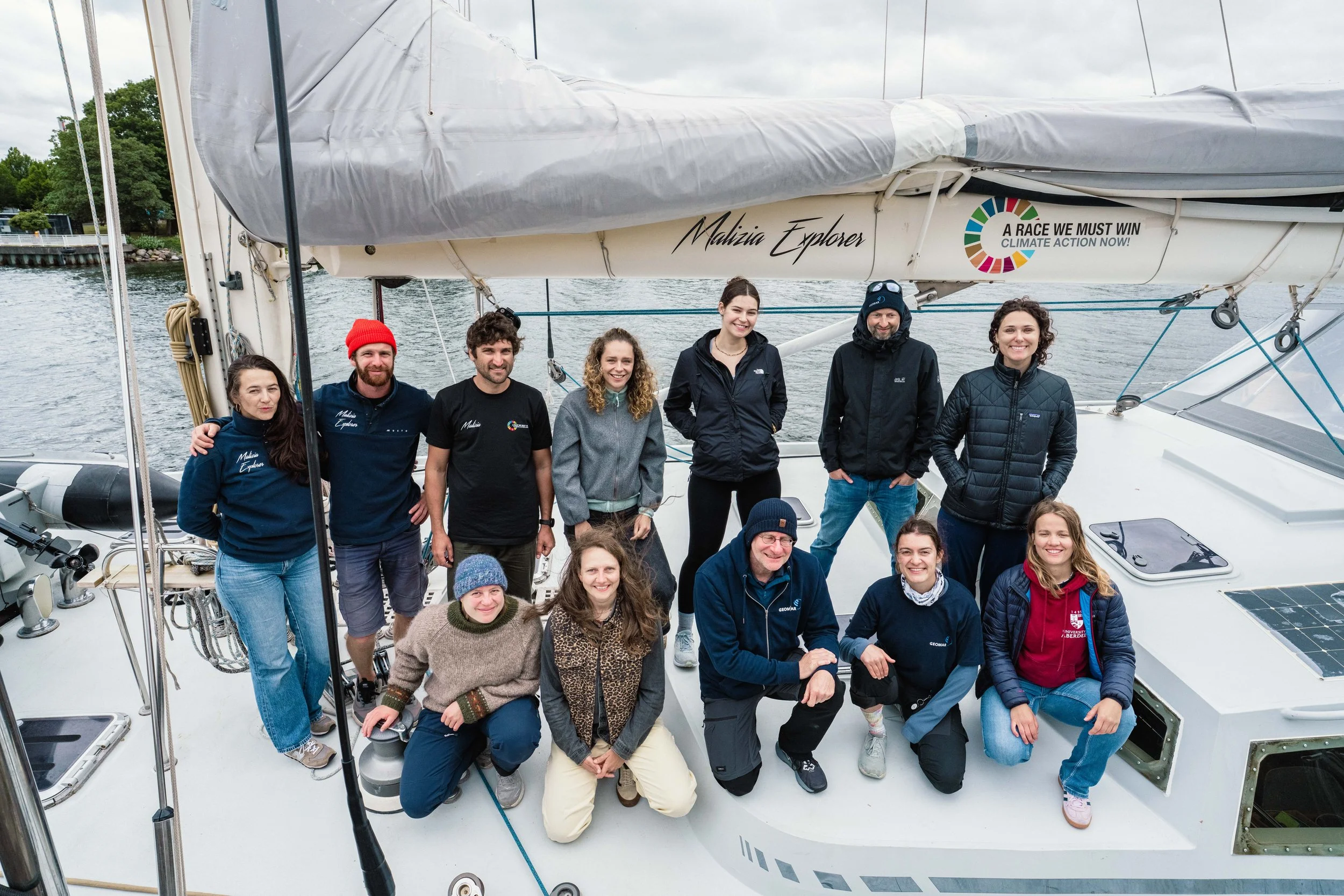
The crew of leg 3/3 onboard the Malizia Explorer @ Marine Reveilhac
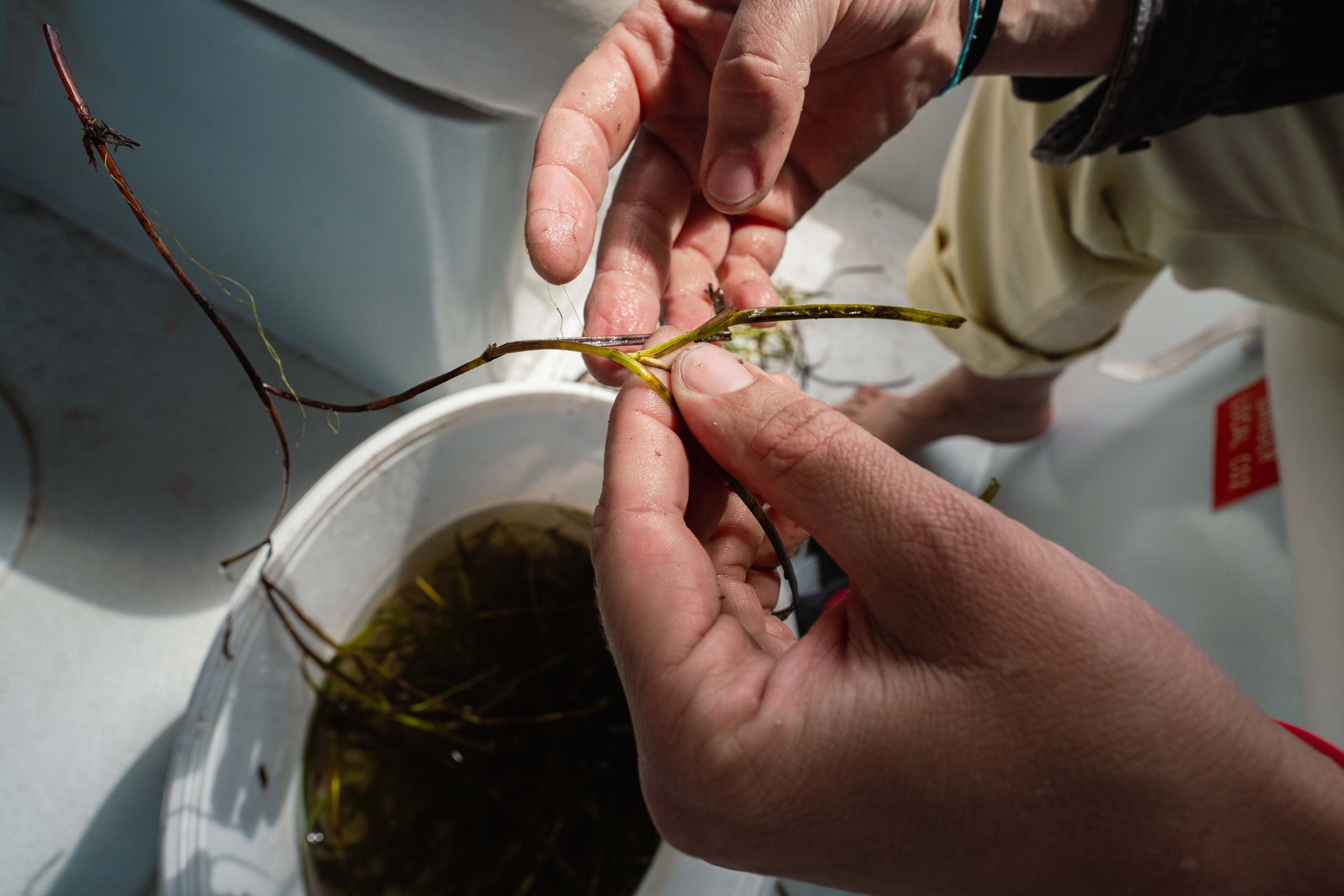
GEOMAR scientists counting seeds of seagrass plants © Marine Reveilhac
The next team coming onboard at the end of July, Greenpeace Germany, also focussed on a search for solutions, however it extended beyond scientific research and instead joined Malizia Explorer to document the growing dead zones in the Baltic in order to strengthen the scientific evidence supporting calls for stronger political action to protect this marine regions from eutrophication and resulting dead zones.
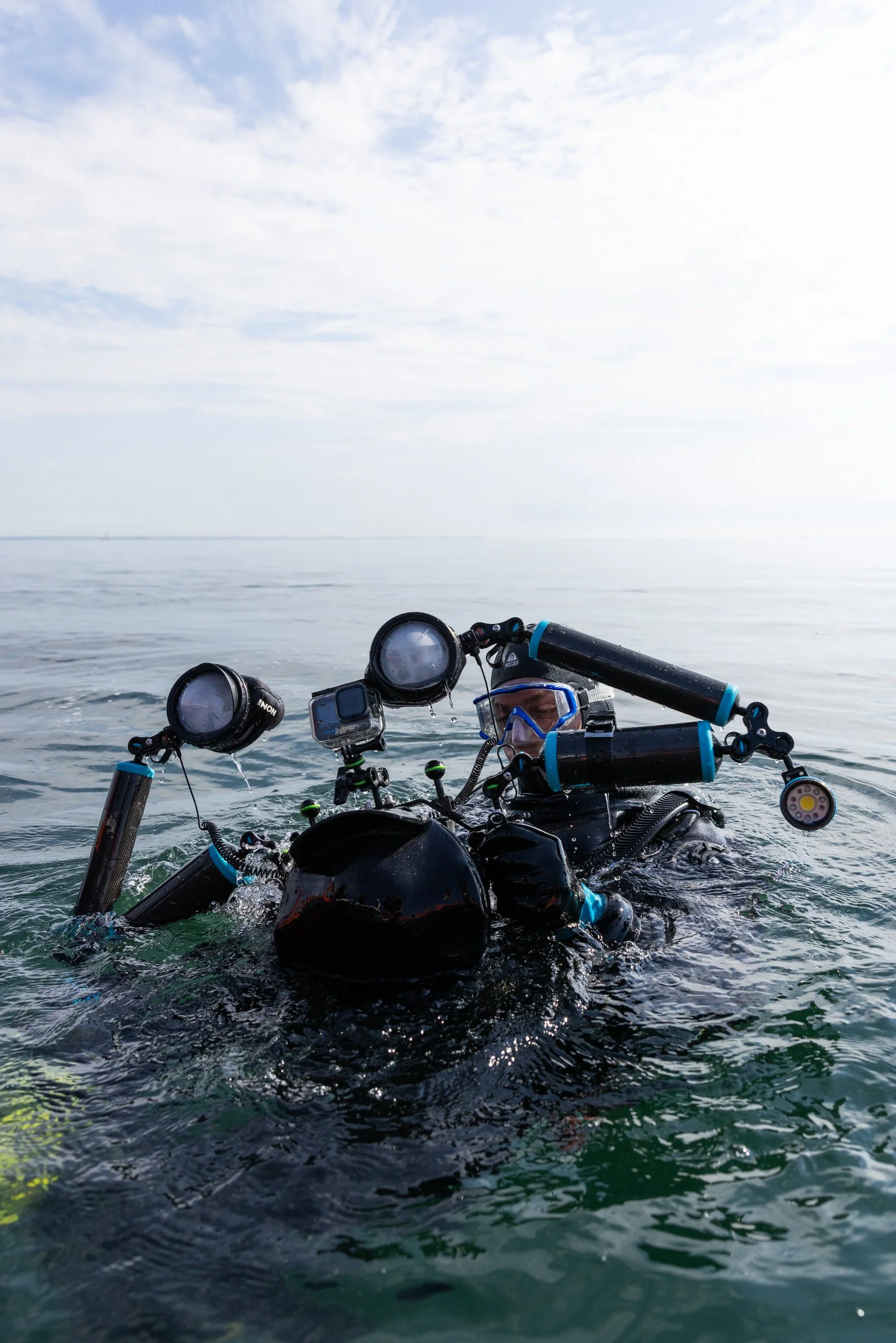
Over the course of Greenpeace’s time onboard, scientists measured oxygen levels in the coastal waters of Flensburg Fjord and Eckernförde Bay using Malizia Explorer’s CTD rosette and documented the condition of the seafloor through dives. As to be expected, "the first results from the seabed in Kiel Fjord {were} deeply concerning," according to Lasse van Aken, Agriculture Expert at Greenpeace and a fundamental reform of fertiliser regulations in Germany was called for in response to these findings. Uniting behind Greenpeace’s dual mission of research, documentation and outreach were activists, marine biologists, agricultural filmmakers and political stakeholders.
© Lucas Wahl / Greenpeace
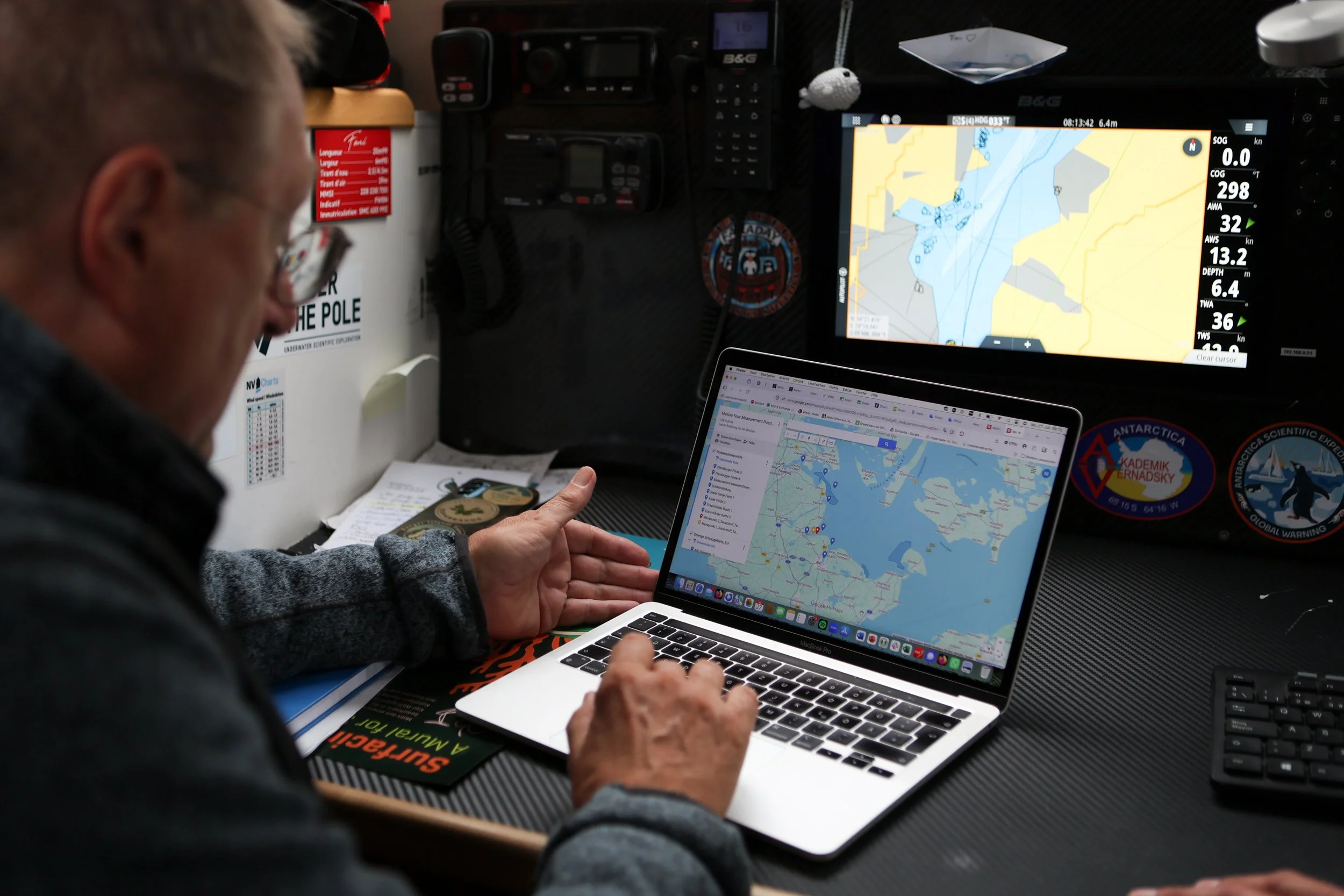
© Florian Manz / Greenpeace
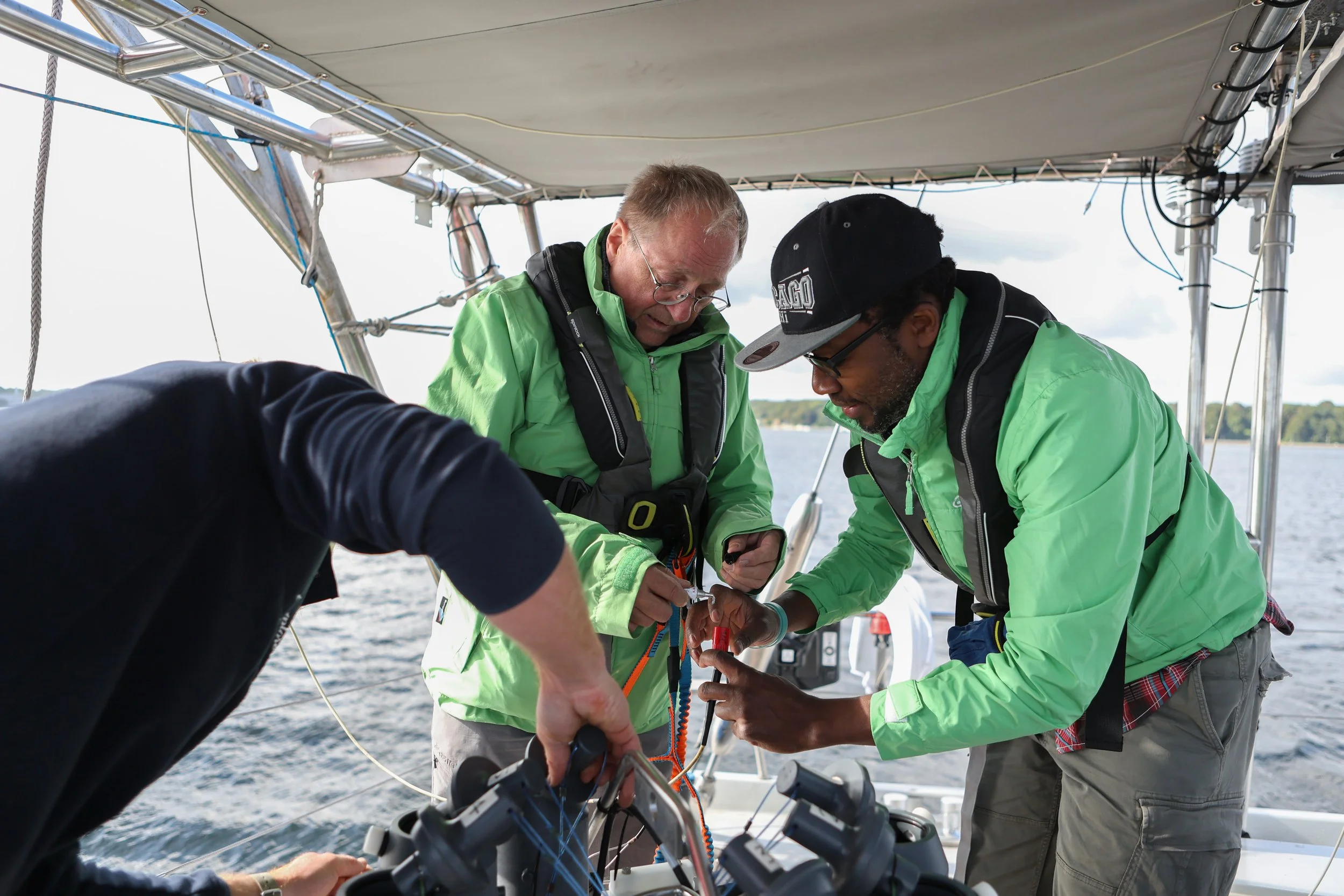
© Florian Manz / Greenpeace
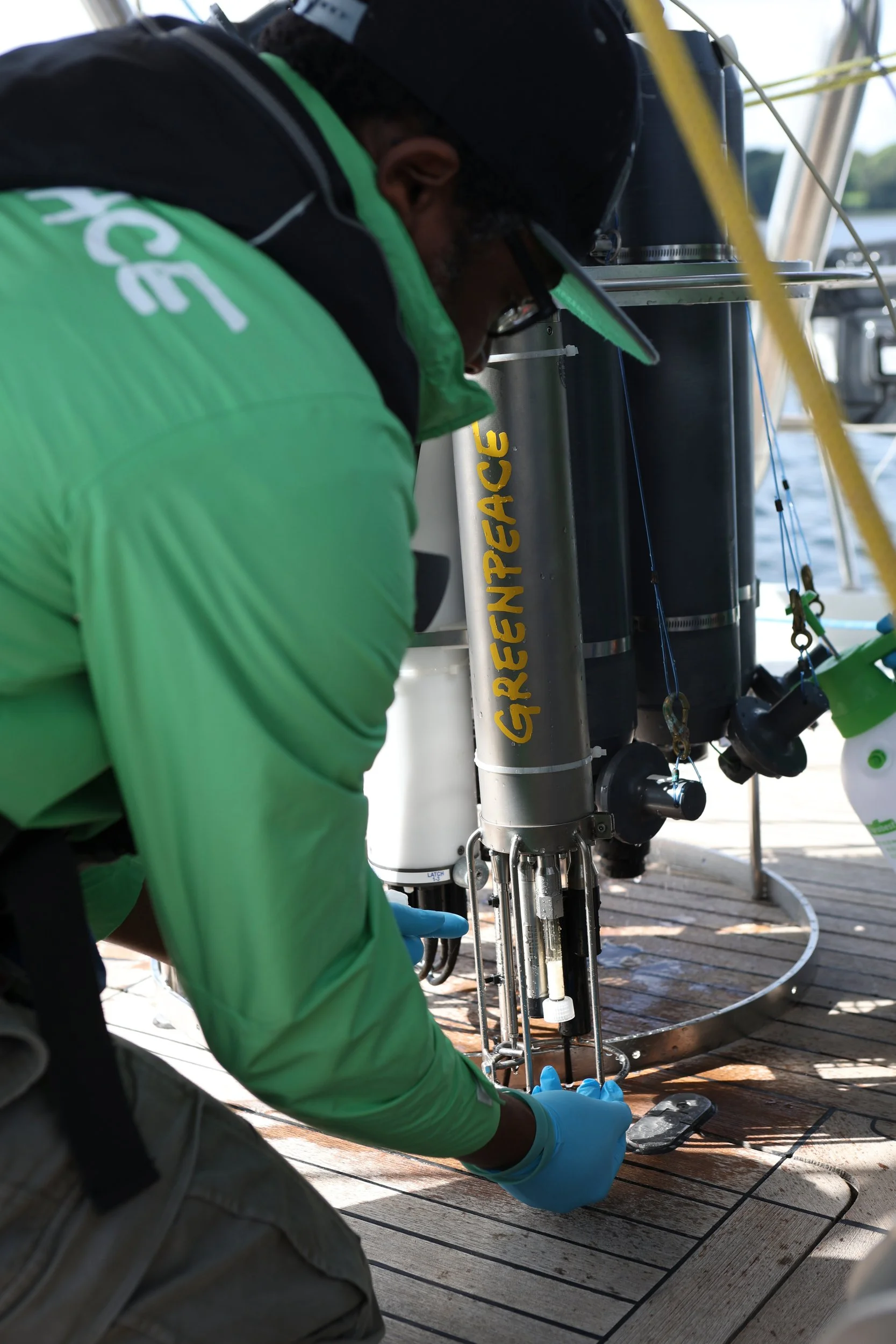
© Florian Manz / Greenpeace
For our crew, this month was very intense, but also a great reminder that science can inform change in many different ways. Whether by improving our understanding of marine ecosystems, restoring nature or providing the evidence needed to influence policy, every mission contributes another piece to the puzzle.
Of course, the work does not end when the scientists step ashore. Samples are analysed, data are processed and discoveries continue to take shape in laboratories and offices long after the vessel has left port.
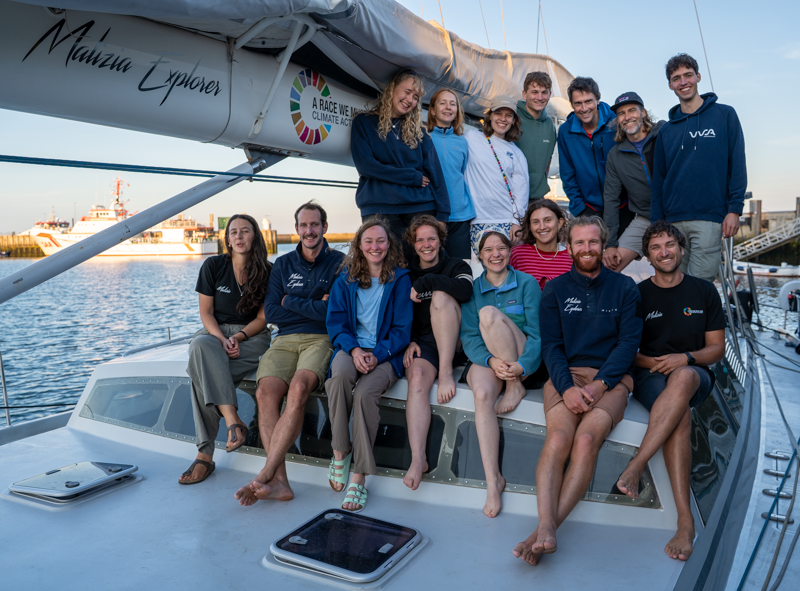
© Paula Baierlein
As for us, we are already heading north towards our next mission big mission.
The journey to this mission itself however will include a few exciting detours, as joining us on board is a group of early career ocean professionals, all in their twenties and pursuing careers in marine science and ocean conservation from the youth initiative Waves Of Action from Okeanos. Together, under the title Kelp Can!, they will not only learn from life at sea but also share their knowledge with us and with you, exploring the remarkable world of kelp and why these underwater forests matter so much.
