
Into the Kelp Forest
The Malizia Explorer is taking a group of young ocean professionals north towards Norway, and these aspiring researchers and ocean changemakers are approaching kelp from every angle. They are exploring its scientific value, testing different research methods, and learning about its social and cultural significance by speaking with scientists, offshore fishers and coastal communities alike.
So, what is this Kelp everyone is talking about? Let us dive right in!
© Paula Baierlein
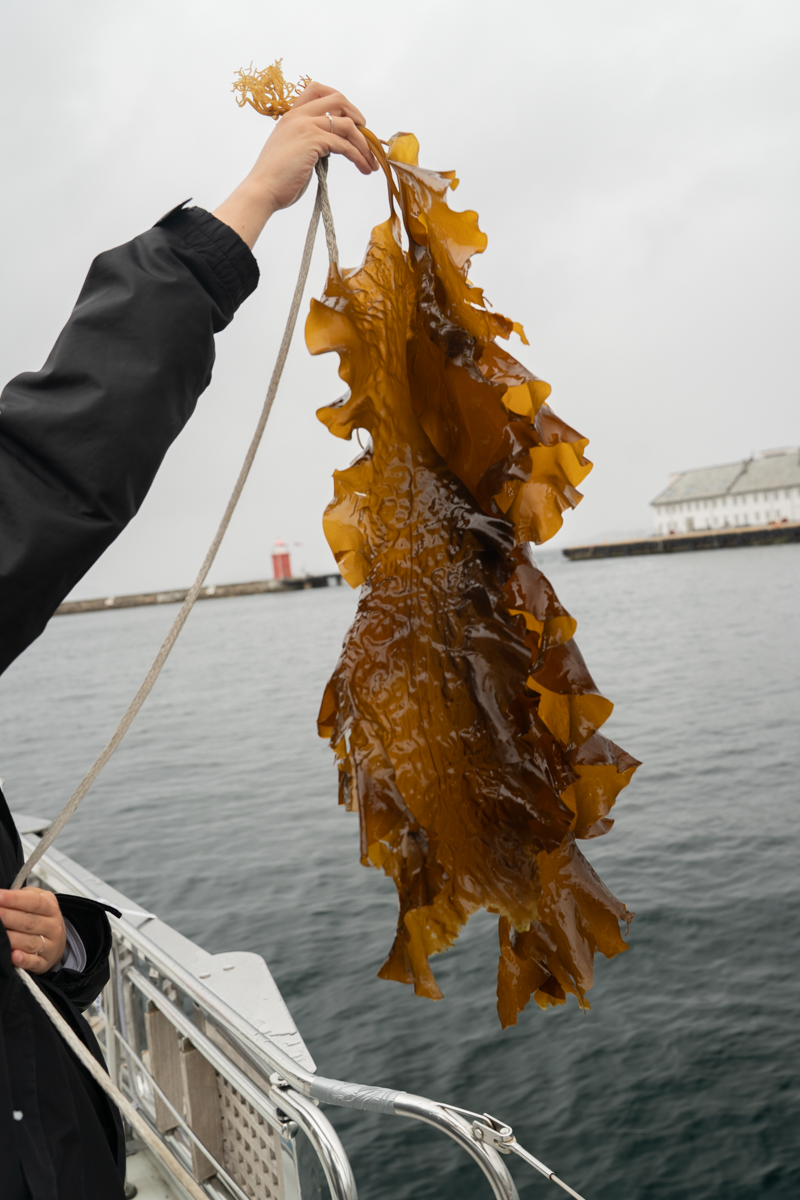
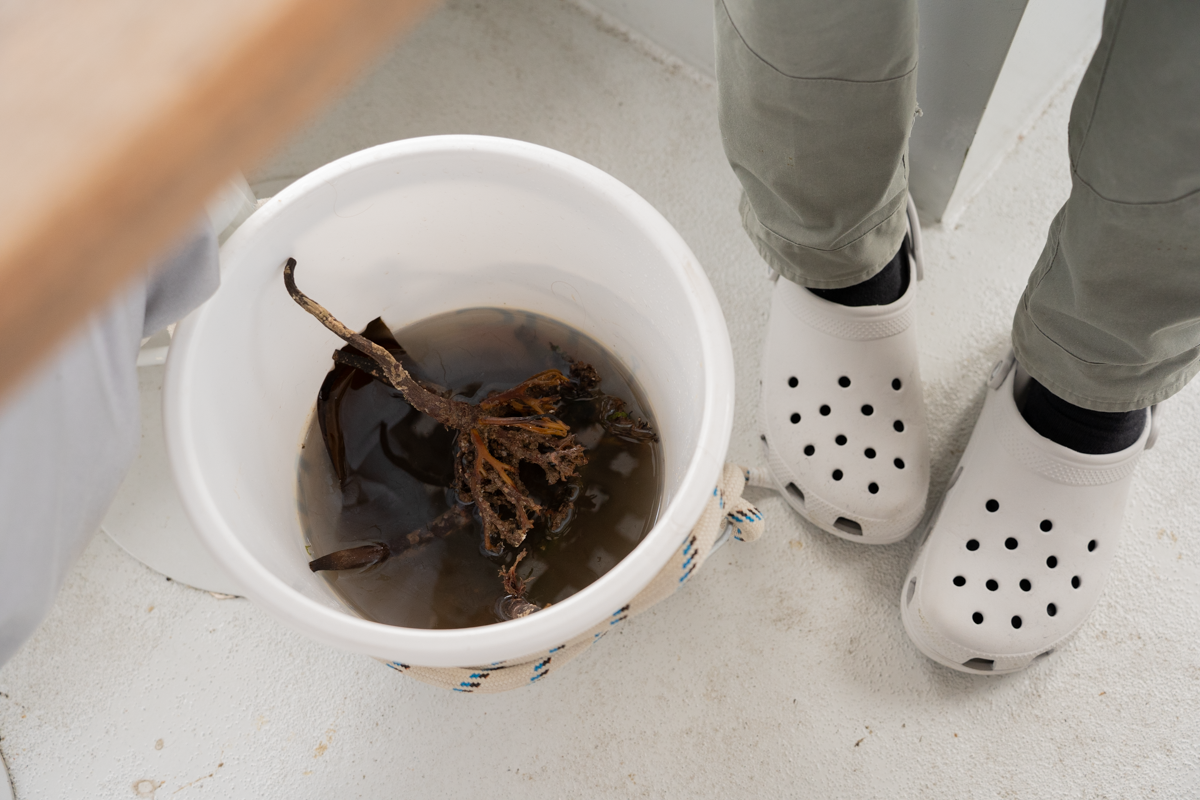
Kelp is a type of seaweed belonging to the Phaeophyceae family, also known as the brown algae family. Its long, brown fronds float vertically, anchored to the Ocean floor by holdfasts, root-like structures that cling to rocks and hard surfaces. These individual kelp plants form dense underwater jungles known as kelp forests, which are essential to marine biodiversity. These forests serve as habitat and shelter for over 1,000 different species of marine life, making them a vital ecosystem and of great importance for global biodiversity.
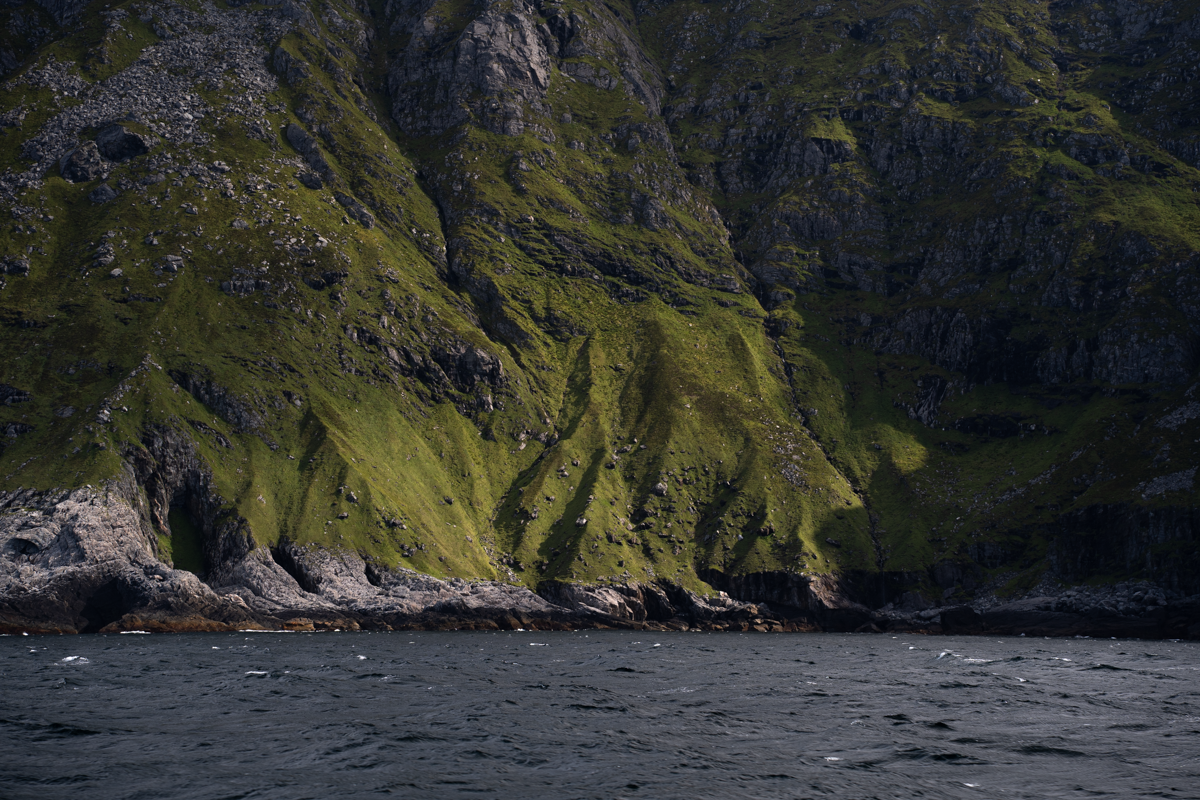
Kelp forests thrive in cold, nutrient-rich coastal waters around the world, avoiding tropical regions where warmer temperatures make survival difficult. They are found from the Pacific coasts of North and South America to the frigid waters of Patagonia. Kelp also forms lush underwater jungles in southern Australia and New Zealand, as well as along the North Atlantic coasts of Norway and Scotland. In South Africa, the kelp forests along the Cape coast were famously featured in My Octopus Teacher, a film adored by oceanographer Sylvia Earle, who is actually the godmother of our Malizia Explorer having christened her in 2025 and cited the film as a beautiful example of how to captivate the world with a story about the Ocean.
Beyond their ecological importance, kelp forests offer valuable services to coastal communities. They provide a reliable food source for both marine species and humans and create tourism opportunities as popular diving sites teeming with biodiversity. Kelp forests also act as natural barriers, reducing the energy of large waves and offering protection from storm surges, which helps to safeguard coastal cities from the impacts of extreme weather.
Perhaps even more crucial is kelp's ability to capture and store carbon dioxide from the atmosphere. This process not only mitigates climate change but also oxygenates the surrounding waters, contributing to overall marine health. As a single strand of kelp can grow up to 10 inches a day, you can nearly visually measure the amount of carbon continuously being locked away from the environment as plant mass, making kelp forests one of nature’s most efficient carbon sinks.
© Paula Baierlein
However, despite their speedy growth, even kelp forests cannot outpace climate change. In the years between 2014 to 2016, a massive marine heatwave known as "the blob" wreaked havoc on areas of the Pacific Ocean, causing imbalances, disrupting nutrient availability and decimating marine ecosystems. Off the coast of California, the kelp population was hit hard, with a staggering 90% loss in just two years. This followed an already significant decline of 75% over the past century due to pollution and the loss of biodiversity.
Placing this intricate ecosystem furthermore in metaphorical hot water, this heatwave set off a devastating chain of events, further endangering the kelp forests: The surviving kelp was weakened by low nutrient levels, making it more vulnerable to other threats. At the same time, the heatwave allowed a sea star disease to flourish, wiping out much of the sea star population. This was disastrous, as sea stars are the natural predators of purple sea urchins, which in turn prey on kelp.
With the sea stars nearly vanished, the purple sea urchin population exploded, creating an unchecked invasion that decimated the remaining kelp. And unfortunately, as purple urchins can survive for long periods without food, these “zombies” remain in these barren, kelp free zones, reducing any chance of the kelp regrowth in these areas.
© Paula Baierlein
In an effort to restore these once wonderfully vibrant underwater worlds, experienced divers are being equipped with hammers and sent down into the deep blue (or “spiky purple,” given the overwhelming presence of purple urchins). Additionally, so-called kelp-conveyor belts are being introduced to accelerate kelp recovery. Sea otters are also being reintroduced, with the hope that they will prey on the purple urchins and help restore balance. However, reestablishing equilibrium in these environments is an immense challenge once the natural order has been disrupted, requiring sustained efforts and innovative solutions to revive the fragile ecosystem.
Kelp’s struggle serves as a poignant reminder of how interconnected ecosystems are. The chain of events - from global warming to sea star disease, and then the unchecked rise of purple urchins - illustrates the delicate balance within marine environments. This is not an isolated incident but exemplary of a global issue, affecting many marine species that are dependent on one another for survival.
In Germany, there’s a saying: “Wer A sagt, muss auch B sagen” - “He who says A must also say B”, meaning that once a decision is made, one must face the consequences. This proverb rings true in the context of climate change. Humans have triggered the A of global warming, and now we must confront not just B, but an entire alphabet of unaccounted for consequences that are already unfolding.
In regard to kelp forests where restoration to natural balance is proving incredibly difficult, it is becoming quite apparent that pursuing proactive climate action is essential if we are to reduce the occurrence of comparable events across the globe. In the end, the cost of inaction far outweighs the active effort required to safeguard our planet’s future.
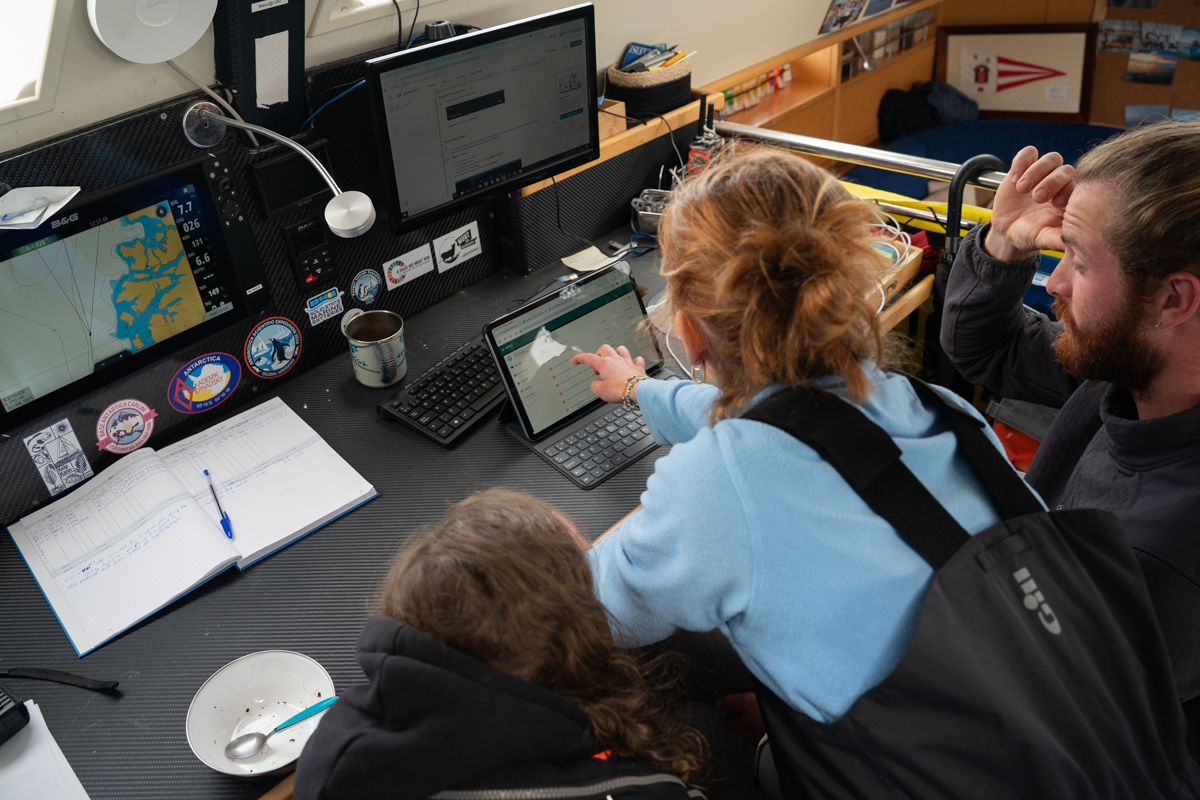
The young OKEANOS team onboard our vessel is not only studying these ecosystems, but also making sure their findings and stories are shared with the world. → Read their logbook to discover how they are approaching the topic of kelp.
© Paula Baierlein