
Greenpeace Documents Dead Zones in the Baltic Sea Aboard Our Research and Outreach Vessel Malizia Explorer.
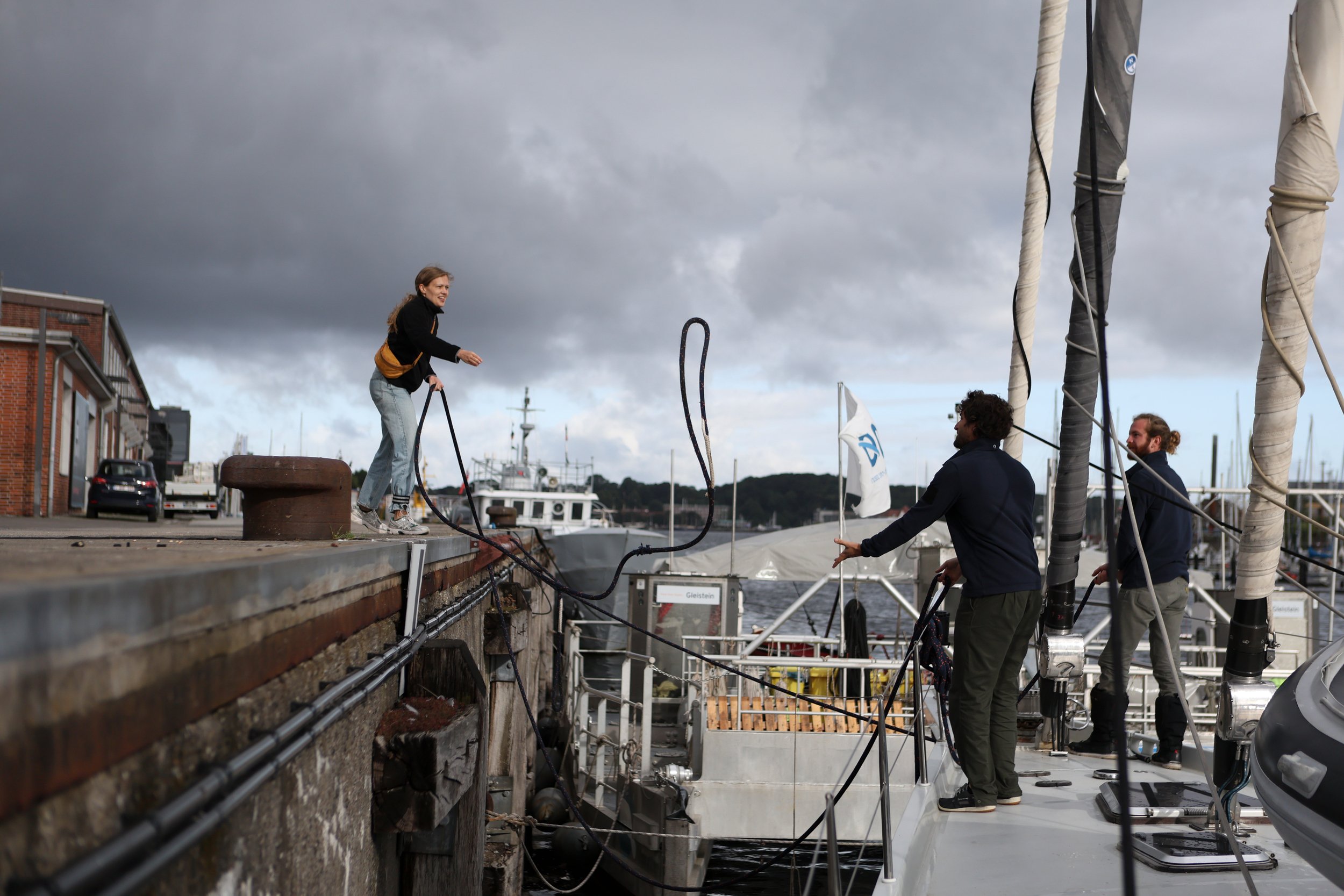
Kiel, 28 July 2026 – Dead zones, where neither fish nor plants can survive, are spreading across the Baltic Sea. These are the first findings from a five-day research expedition conducted by Greenpeace together with the crew of Malizia Explorer, the research sailing vessel of Boris Herrmann, in Schleswig-Holstein.
© Florian Manz / Greenpeace
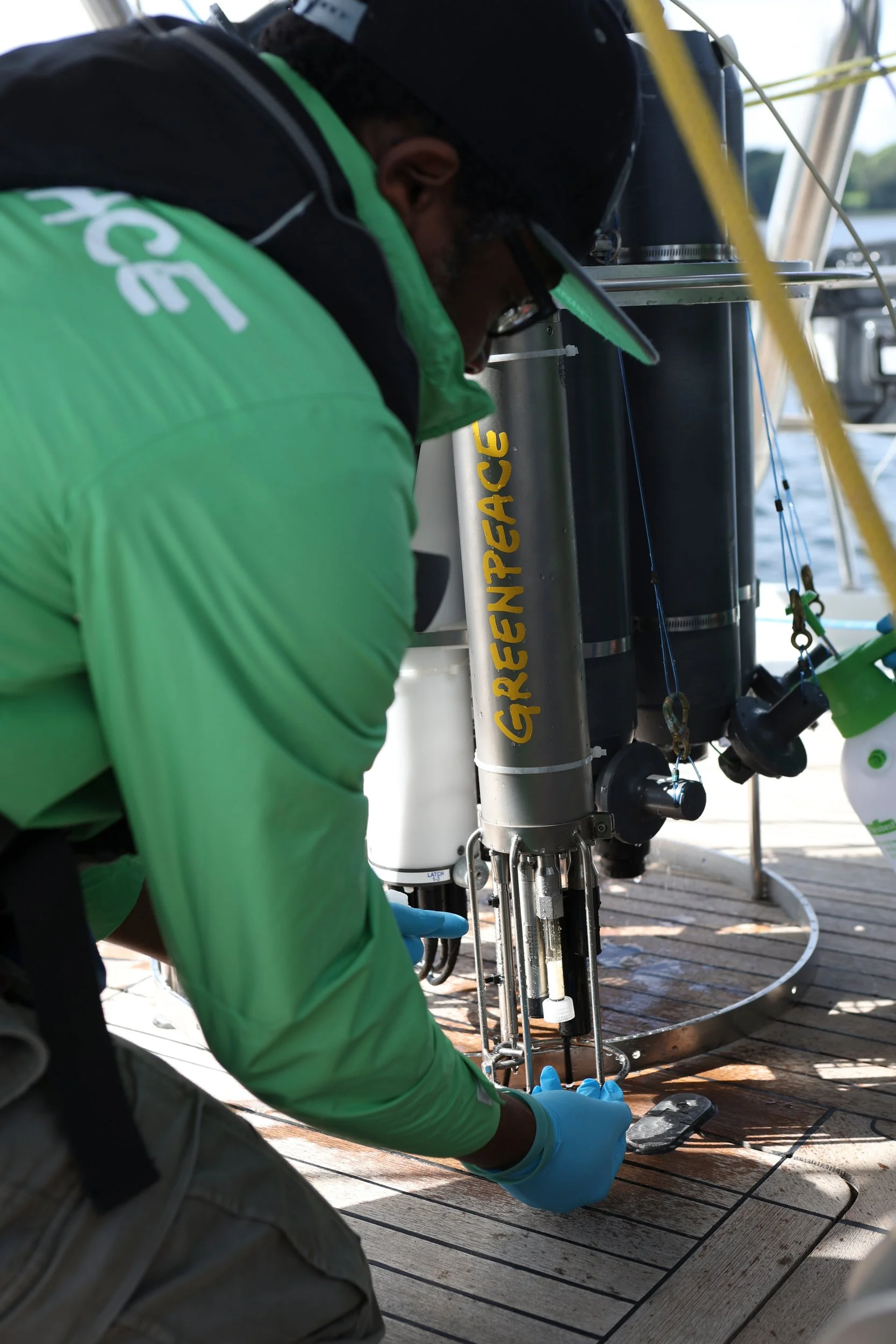
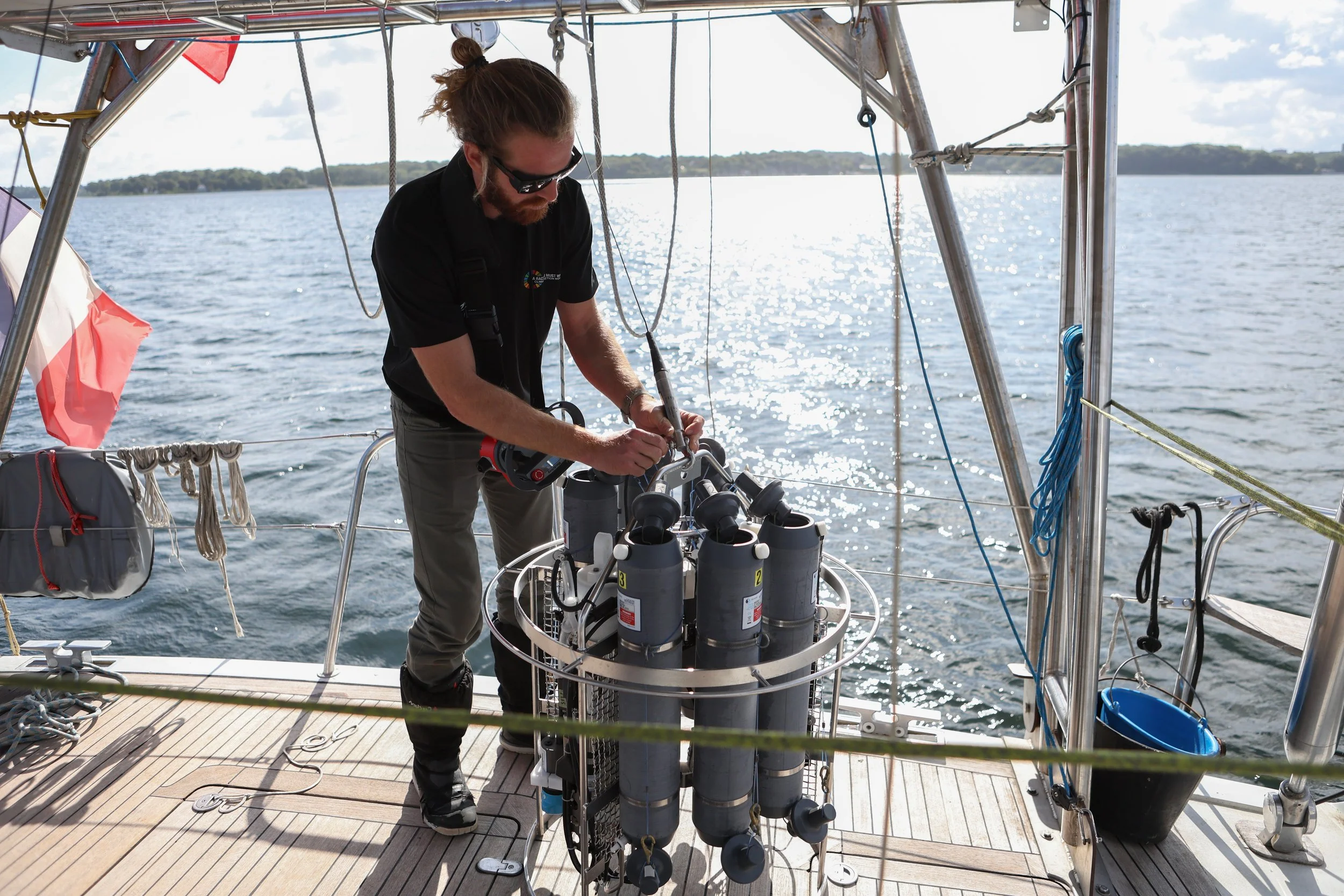
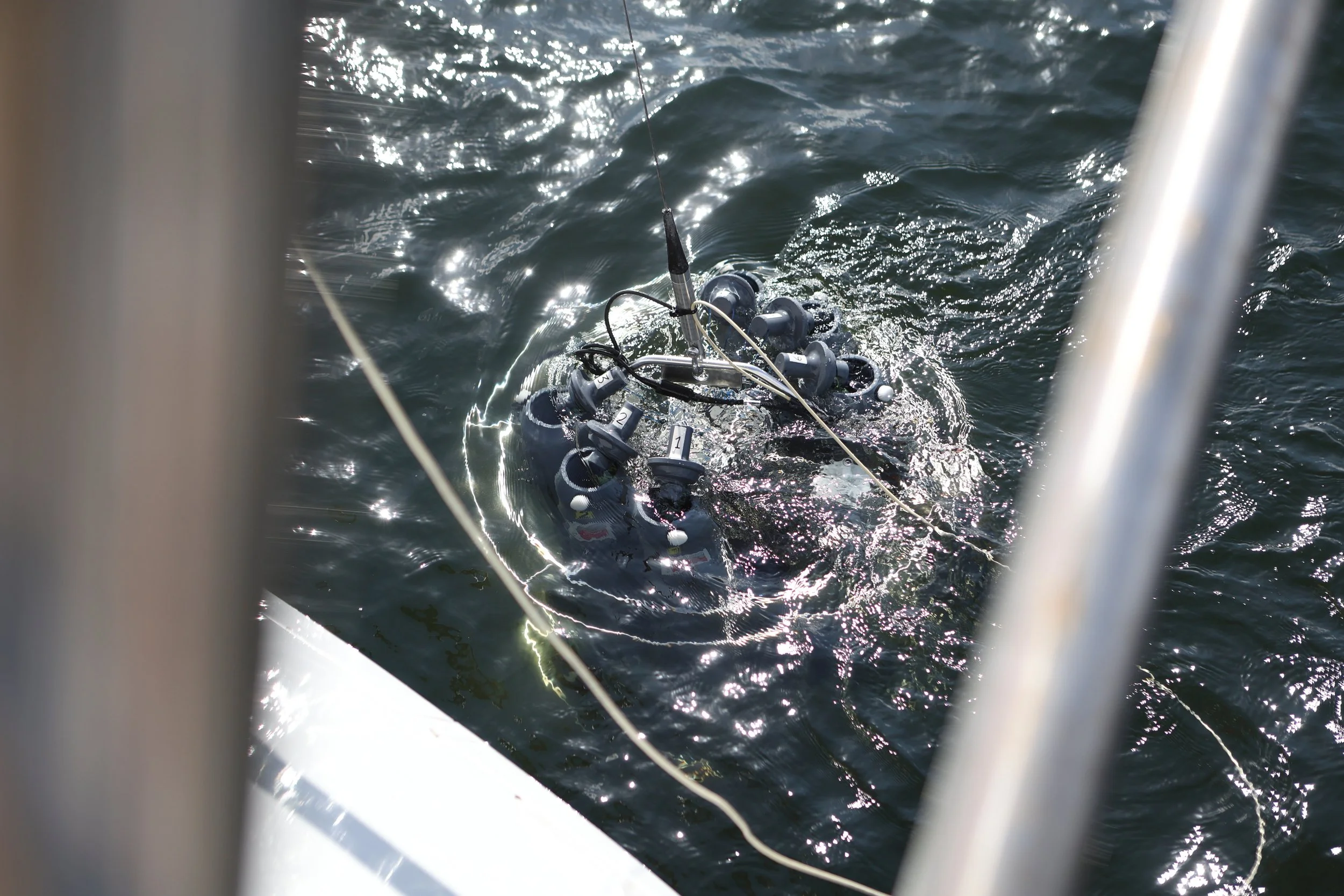
Over the coming days, Greenpeace scientists will measure oxygen levels in the coastal waters of Flensburg Fjord and Eckernförde Bay using the CTD rosette. Oxygen concentrations below four milligrams per litre place many marine organisms under stress. When dissolved oxygen levels fall below two milligrams per litre, dead zones can develop. An underwater robot is documenting the seabed at a depth of 25 metres, while divers are filming the barren seafloor, where no plants or animals remain.
"The first results from the seabed in Kiel Fjord are deeply concerning," says Lasse van Aken, Agriculture Expert at Greenpeace. "Excessive nutrient pollution is stripping the Baltic Sea of oxygen, suffocating marine life. The main cause is intensive agriculture, particularly livestock farming."
Federal Minister of Agriculture acting irresponsibly
To protect the Baltic Sea and prevent agricultural nutrient pollution from contaminating Germany's groundwater, a fundamental reform of fertiliser regulations is needed. Livestock farms produce vast quantities of manure. When excessive amounts are spread on fields, nutrients seep into groundwater and eventually contribute to the degradation of the Baltic Sea.
© Florian Manz / Greenpeace
© Florian Manz / Greenpeace
© Florian Manz / Greenpeace
"The government must monitor who is applying nutrients and in what quantities. Simply relying on farmers to report this themselves, as Federal Minister of Agriculture Alois Rainer intends, is irresponsible," says van Aken.
Shortly after taking office, the minister abolished the nutrient flow balance (Stoffstrombilanz), a system that recorded nitrogen surpluses at farm level. Under the polluter pays principle, farms applying excessive amounts of fertiliser could be required to reduce their nutrient inputs.
"Voluntary agreements, as proposed under the Baltic Sea Protection Action Plan, are not enough. Our measurements clearly demonstrate this," says van Aken.
"The findings collected and published by Greenpeace from aboard our vessel are highly important and make a valuable contribution to improving our understanding of the Baltic Sea's condition. We are really looking forward to this collaboration. The political assessment of these findings, and any resulting policy recommendations, are entirely Greenpeace's responsibility."