
SEAGRASS
So often we focus on what is happening above the surface of the Ocean. We watch Team Malizia sail and enjoy seeing dolphins surf the swell. However, beneath the surface is where a lot of the magic happens. Today we are going to take a closer look at one of the most abundant but often forgotten contributors to Ocean health: seagrass.
If you have ever been to the beach, chances are high you have seen seagrass before. It often washes up on shore and is sometimes confused with seaweed. Seagrass is the world’s only flowering plant that can live entirely underwater. It forms dense meadows, and there are about 60 species of marine seagrass. Like most plants, it has roots, stems, and leaves and it produces flowers, fruits and seeds.
Seagrass meadows are incredible: they are among the most productive ecosystems in the world. Although they cover only a small fraction of the ocean floor (around 0.2%), they contribute disproportionately to Ocean carbon storage and ecosystem functioning. This is why they are often described as “powerhouses” of coastal ecosystems.
Seagrass meadows are found along coastlines worldwide in shallow, sheltered waters such as bays, lagoons, and estuaries, where enough sunlight can reach the seabed. Seagrass species occur on every continent except Antarctica, making them globally important ecosystems. However, there is still a significant knowledge gap in public awareness about what these ecosystems do and why they matter.
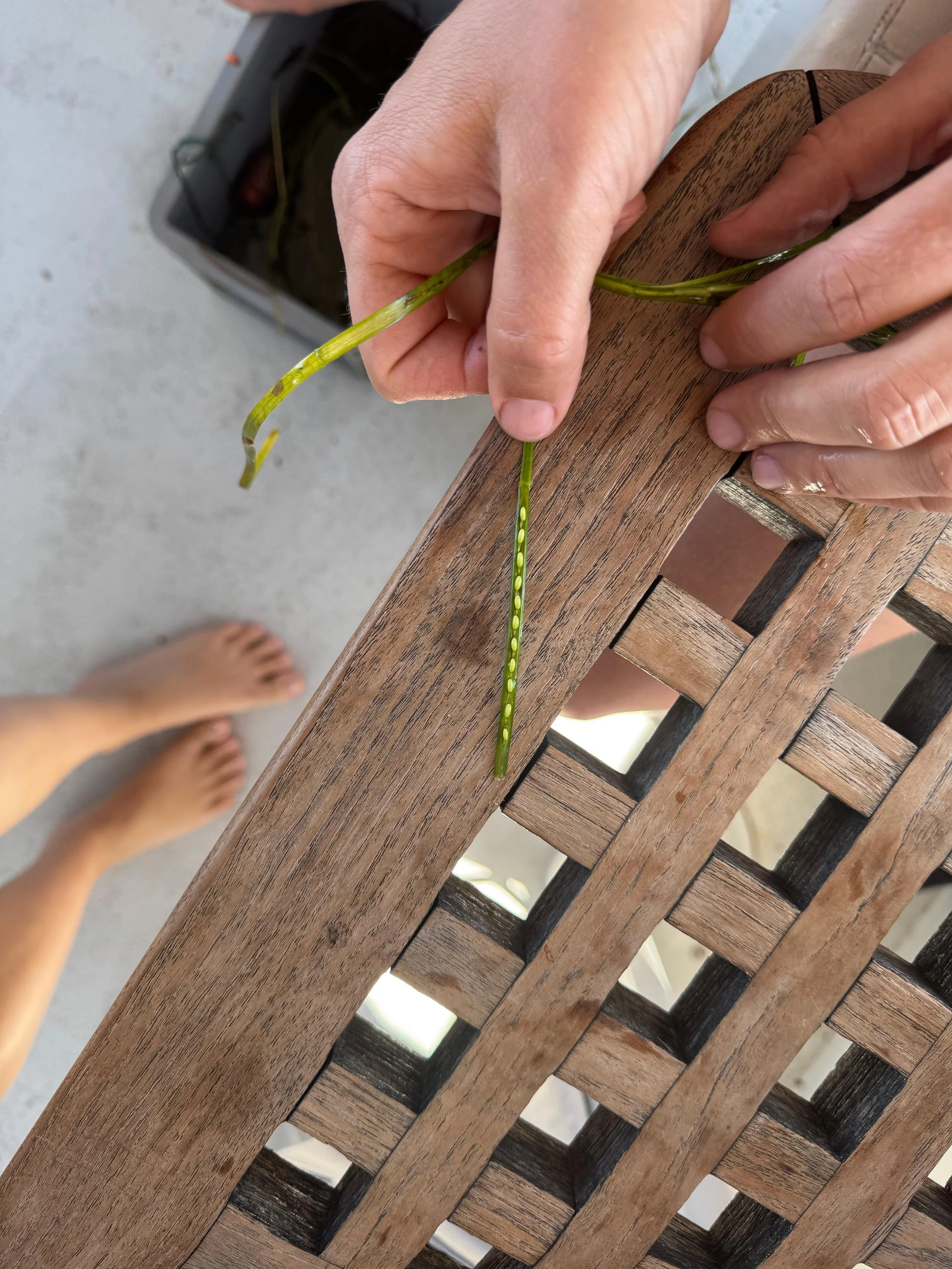
The focus of our current mission in the Baltic Sea with the Geomar is on seagrass! © Malizia Explorer
And protection starts with understanding and appreciation, so this is our starting point: let’s dive in.
The leaves
The first thing you notice when diving into a seagrass meadow is the long leaves swaying in the current. The second is the life it supports: schools of fish and countless invertebrates moving among the blades. Seagrass meadows provide shelter, feeding grounds, and nursery habitats for a wide range of species. For example, large meadows can support tens of thousands of fish and millions of small invertebrates per area, depending on location and conditions.
The species found in seagrass range from crustaceans such as crabs, to molluscs, juvenile fish using the meadows as nurseries, and even larger animals like turtles, dugongs, seals, and dolphins that may feed in or around them.
Beyond supporting biodiversity, the leaves also help protect coastlines. They reduce water flow and dampen wave energy, which can reduce coastal erosion, which is an increasingly important function as extreme weather events become more frequent due to climate change.
Seagrass leaves also trap suspended particles such as sand and silt, which can help improve local water clarity. This is especially important in coastal environments where rivers deliver large amounts of sediment and nutrients from land.
At first glance, this might suggest that more nutrients could benefit seagrass growth, similar to fertiliser used on land. However, this is not the case.
Excess nutrient input from agriculture and wastewater can trigger algal blooms. These blooms, especially phytoplankton in the water column and fast-growing algae on plant surfaces, reduce the amount of light reaching the seabed. Because seagrass depends on sunlight for photosynthesis, reduced light availability limits growth and can lead to meadow decline.
Eutrophication, the word used to describe the excessive enrichment of water by nutrients, therefore does not enhance seagrass growth. Instead, it typically leads to reduced water clarity, increased shading, and in some cases oxygen depletion in sediments. Together, these effects can severely stress seagrass ecosystems and cause large-scale loss of meadows.
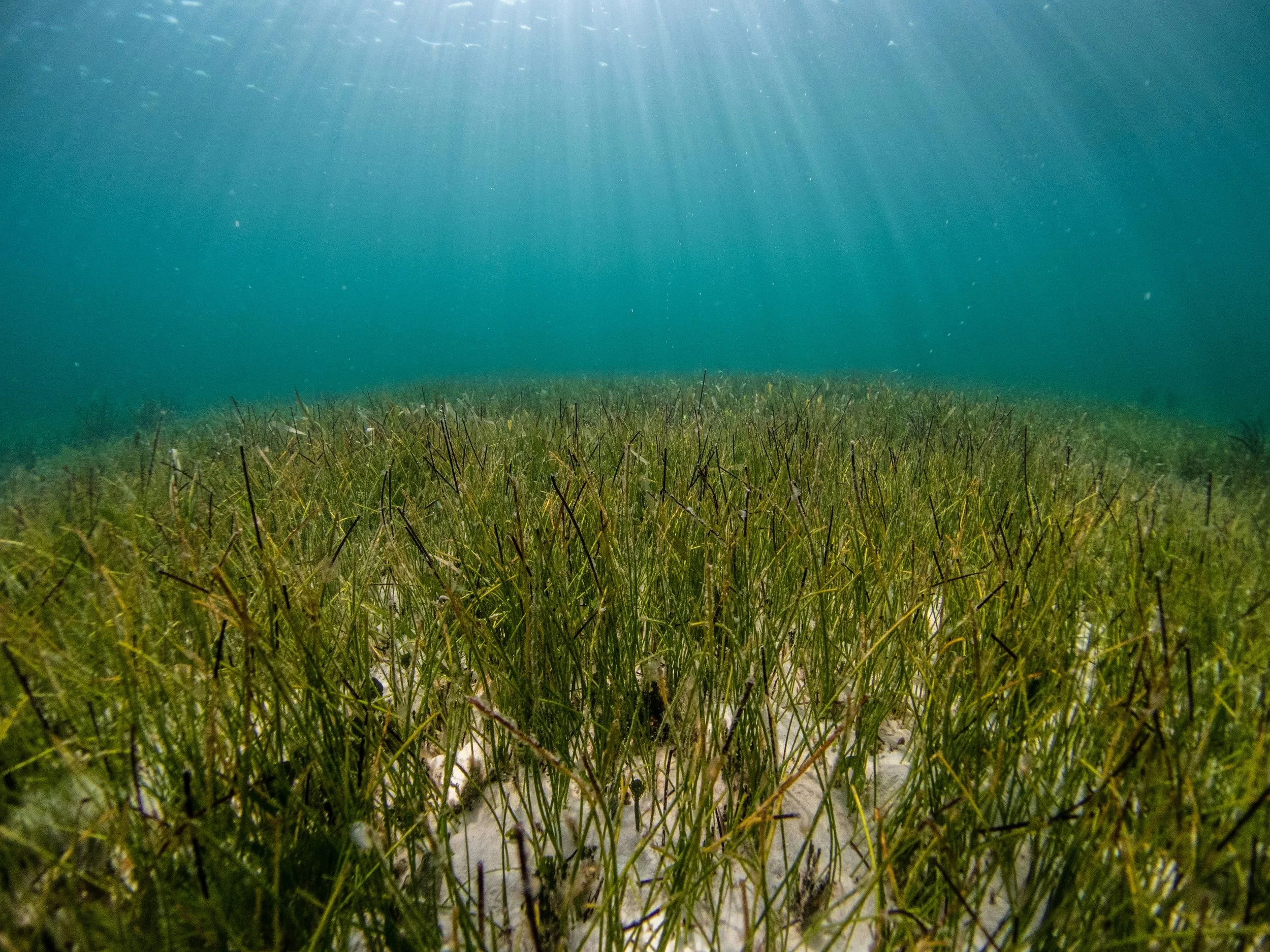
© Benjamin L. Jones / Unsplash
The Roots
But back to the good things: the roots. Seagrass is a long leafy plant that grows in shallow, sunlit waters. With the help of a strong root system, seagrass stays firmly attached to the ground. Apart from keeping the plant firmly in place however, it also helps stabilise the seafloor and trap sediments, which can reduce coastal erosion.
As stated before, the leaves of the seagrass perform photosynthesis, which means that they use carbon dioxide and energy from the sun to produce sugars and oxygen, and in doing so they also store carbon in their biomass.
However, if you travel further down the plant, you will find that the roots and rhizomes anchoring the plant to the ground have another very important function:
Coming back to those fish and other species that live in seagrass meadows: these fish produce waste and will also eventually die. Usually this fish waste and dead organic matter sink to the seafloor and are broken down by microbes, which are tiny organisms that decompose organic material and in the process can release carbon dioxide back into the system. The dense root and rhizome system of seagrass, combined with low-oxygen conditions in the sediment and rapid burial of organic matter, slows down this decomposition significantly. Due to this, beneath seagrass meadows, a large amount of organic carbon can accumulate and remain stored in sediments for long periods of time.
This is why seagrass meadows are considered important “blue carbon” ecosystems: they act as long-term carbon stores by trapping and burying carbon in coastal sediments.
However, this storage is not permanent. If these seagrass meadows are damaged or destroyed, the sediments can be disturbed and some of this stored carbon can be released back into the water and eventually the atmosphere.
© Sarah Uphoff / Geomar
The Question
Seagrass meadows might look calm and almost ordinary at first glance, gently swaying with the tides, but beneath that surface movement lies a system that quietly holds together entire coastal worlds. From sheltering young marine life to protecting shorelines and locking away carbon that would otherwise enter the atmosphere, these underwater meadows are doing far more than meets the eye. And yet, despite all of this, they remain one of the least noticed ecosystems on the planet. Which raises an important question: how much of our Ocean’s “invisible infrastructure” are we still overlooking?
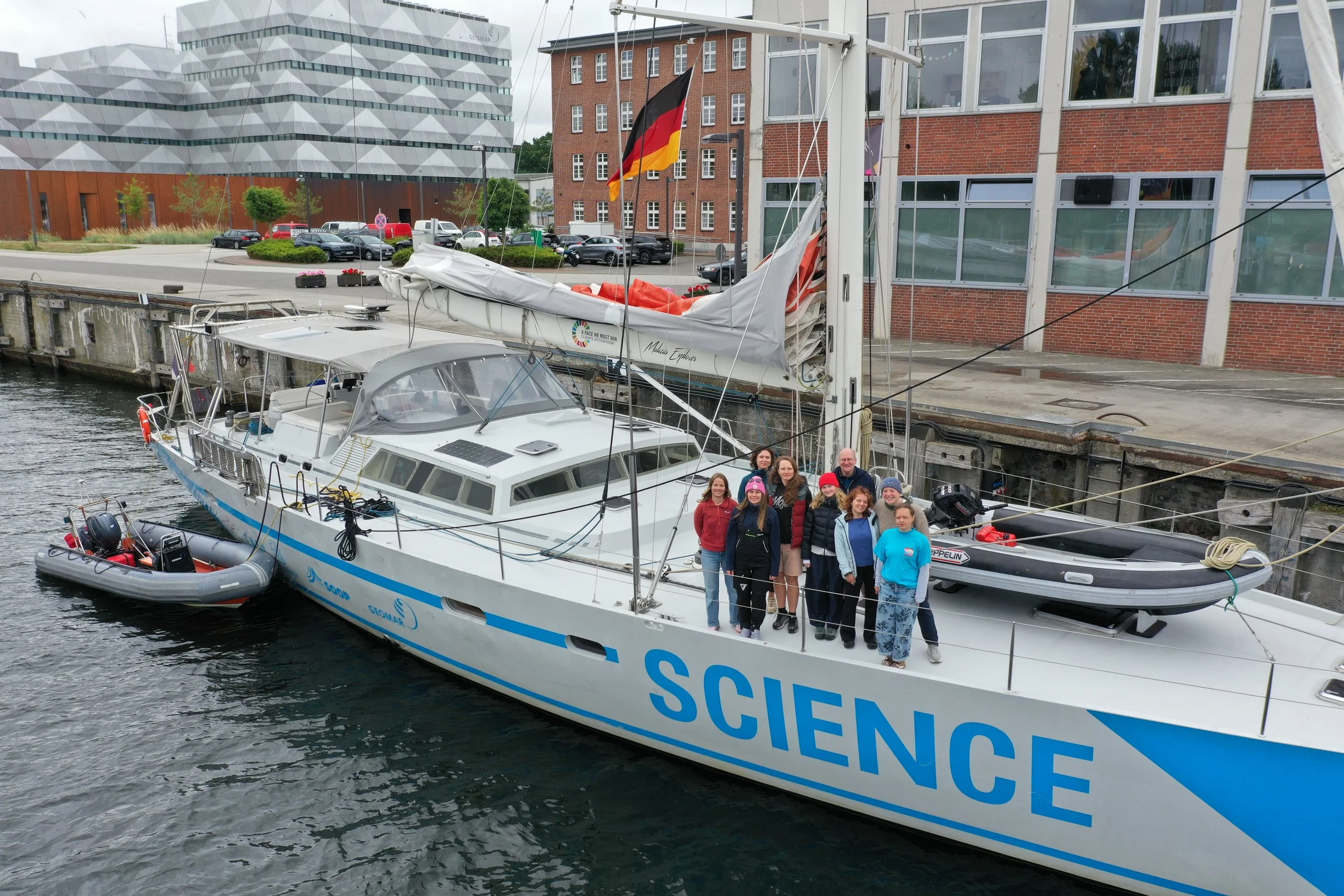
If these leafy green gift givers are of interest to you and you would like to learn more about them, we would advise you to keep an eye on this page as our research vessel, the Malizia Explorer, is engaging in some seagrass science this July with an expedition in the Baltic sea with the GEOMAR.
