
Malizia Explorer & the why, reunited in Antarctica
The sailing research vessels Malizia Explorer and the Why from Under The Pole are reunited again for the final days of their joint mission in Antarctica… and what a journey it has been!
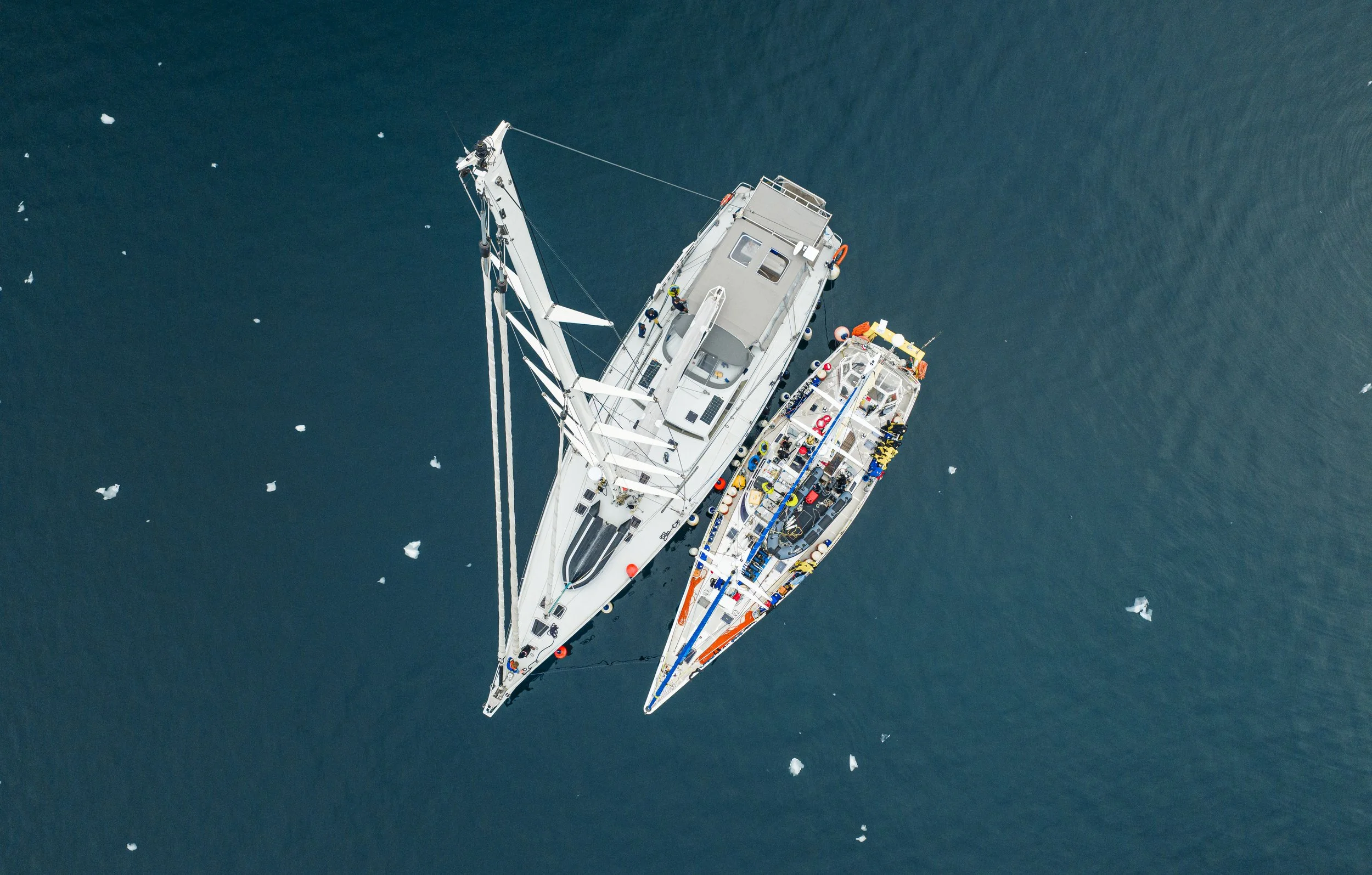
Malizia Explorer and the WHY from Under The Pole reunited in Antarctica
Over the past two months, this joint expedition has pushed the boundaries of exploration, science, and human endurance in one of the most remote places on Earth. Through this collaboration, Malizia Explorer has been supporting Under The Pole’s work as part of the DEEPLIFE programme, a global initiative dedicated to studying and documenting Marine Animal Forests (MAFs) across the world’s Ocean basins.
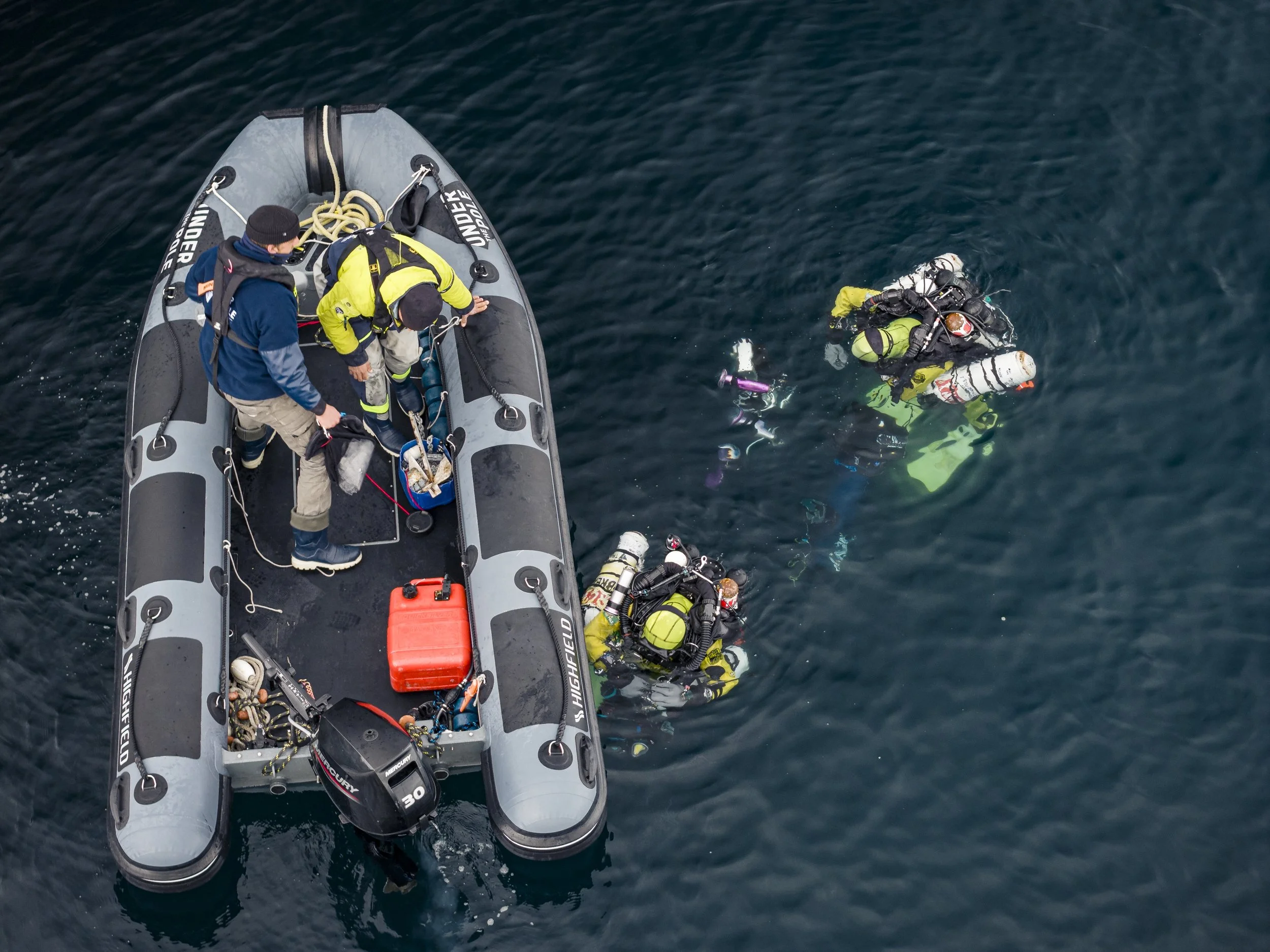
Antarctica is incredibly far from everything from infrastructure, rescue capabilities, supplies, and even basic logistical support. Every piece of equipment, every operation, every dive requires anticipation, coordination, and resilience. Out here, the word exploration truly takes on its full meaning. Nothing is simple, nothing is routine, and that is precisely what makes this mission so unique.
During the Global Warning Campaign, Malizia Explorer has provided essential logistical and operational support, enabling the WHY to conduct deep human diving operations and scientific research throughout the austral summer. Together, the two vessels have created a floating research platform capable of reaching places that remain almost entirely unknown.
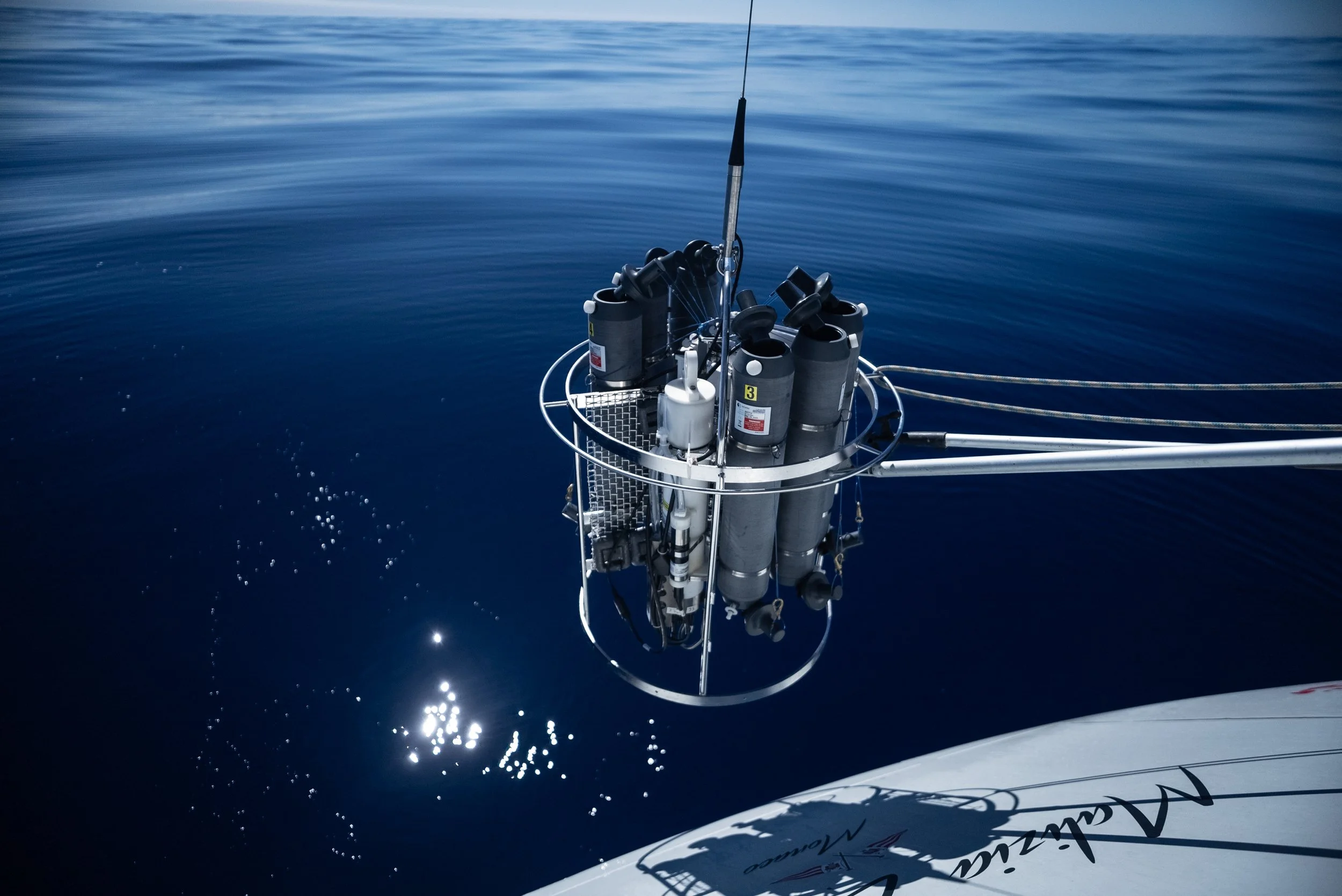
In parallel, scientific work onboard Malizia Explorer, led by Léa Olivier from the Alfred Wegener Institute, has focused on linking physical Ocean structure, biological activity, and carbon fluxes across coastal-to-open-ocean gradients. These studies aim to close key data gaps and improve our understanding of Ocean-climate interactions in the Western Antarctic Peninsula, one of the fastest-changing regions on the planet.
But science only reaches its full power when it is shared. Discoveries matter more when they are understood, felt, and carried beyond the people who made them.
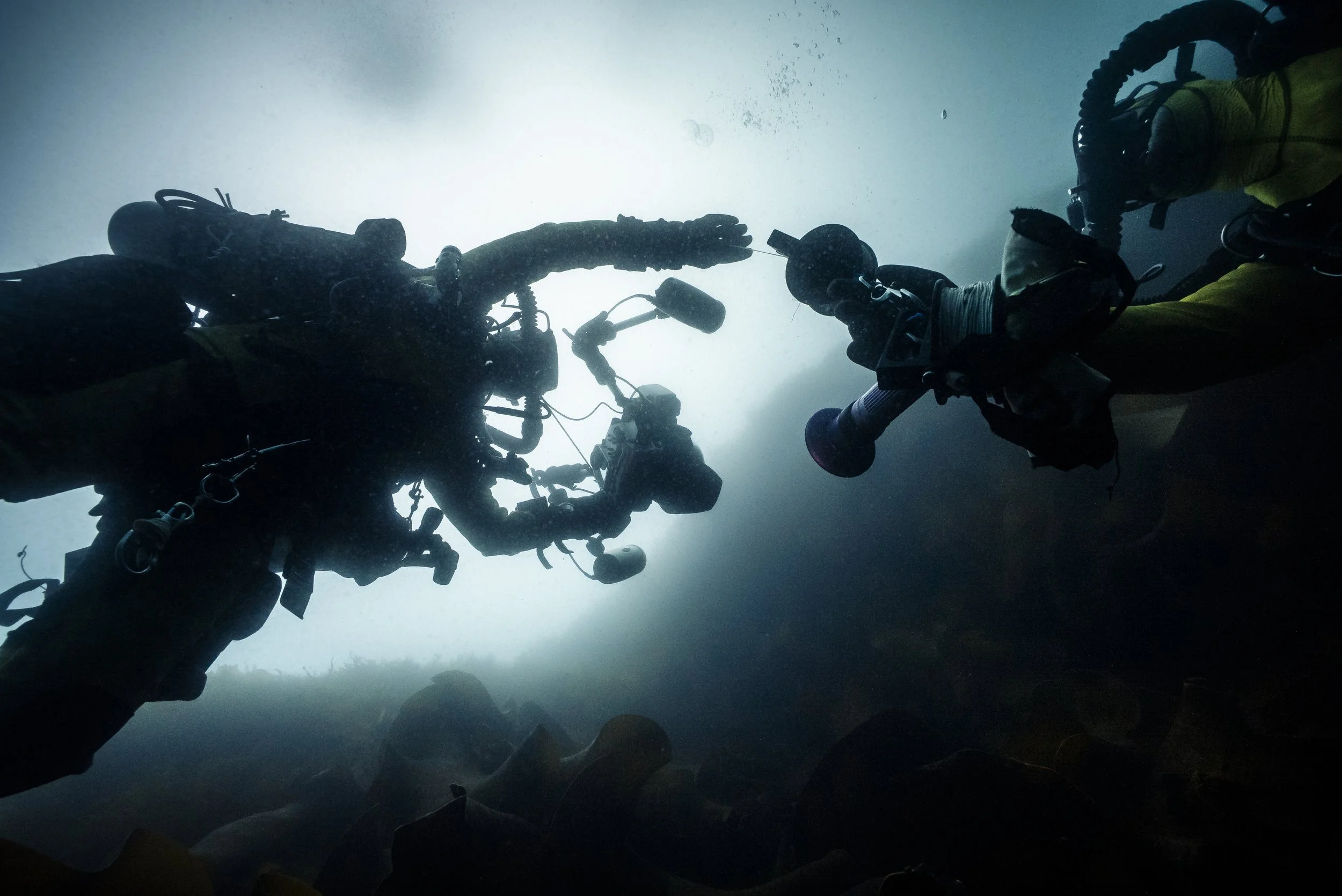
Beyond exploration and research, the joint mission Global Warning carries a powerful advocacy dimension. A dedicated campaign has been launched to highlight the importance of protecting Antarctic marine ecosystems, particularly the fragile and little-known mesophotic ecosystems. Activists and public figures joining onboard have helped amplify this message to global audiences, turning the expedition into a platform for awareness and action.
Because while we are still discovering this unique ecosystem and trying to understand it, we already know one thing: we must protect it.
All together, we are taking concrete action to protect this place like no other. A petition has been launched (already supported by more than 22,000 people) calling for stronger protection of Antarctic ecosystems.
A place like no other that we HAVE to protect.
Add your voice here: www.change.org/protectantarctica
Guided by the belief that we only protect what we know and love, the team has also led global outreach initiatives throughout the mission, connecting with schools and audiences worldwide through live communications, storytelling, educational content, and calls to action.
And there is still one last opportunity to join us on 3 coming kids events!
For one final time this season, you’re invited to step aboard Malizia Explorer for a special live lesson direct from Antarctica. Designed for ages 8–14 (but engaging for curious minds of all ages) three final live classes will be held in French, German, and English on the 22nd, 23rd, and 24th of February.
Sign up now - we can’t wait to see you there: https://www.malizia-explorer.com/news/last-chance-to-go-to-school-in-antarctica `$
With this third expedition, Malizia Explorer continues to strengthen its role as a platform for scientific research, exploration, and climate advocacy in Antarctica. By partnering with Under The Pole, the vessel helps advance understanding of fragile polar ecosystems while amplifying the urgency of their protection worldwide.
As the Antarctic summer draws to a close, one thing is certain: this mission may be ending, but the impact, scientific, human, and environmental, is only just beginning.
Fall in love with Antarctica everyday with Malizia Explorer:
Instagram: https://www.instagram.com/maliziaexplorer/
Facebook: https://www.facebook.com/profile.php?id=61576119471534
YouTube: www.youtube.com/@Malizia_Explorer
Tracker: https://tracker.ee/malizia-explorer/