
Antarctica, Between Global Warming, Exploitation, And Hope
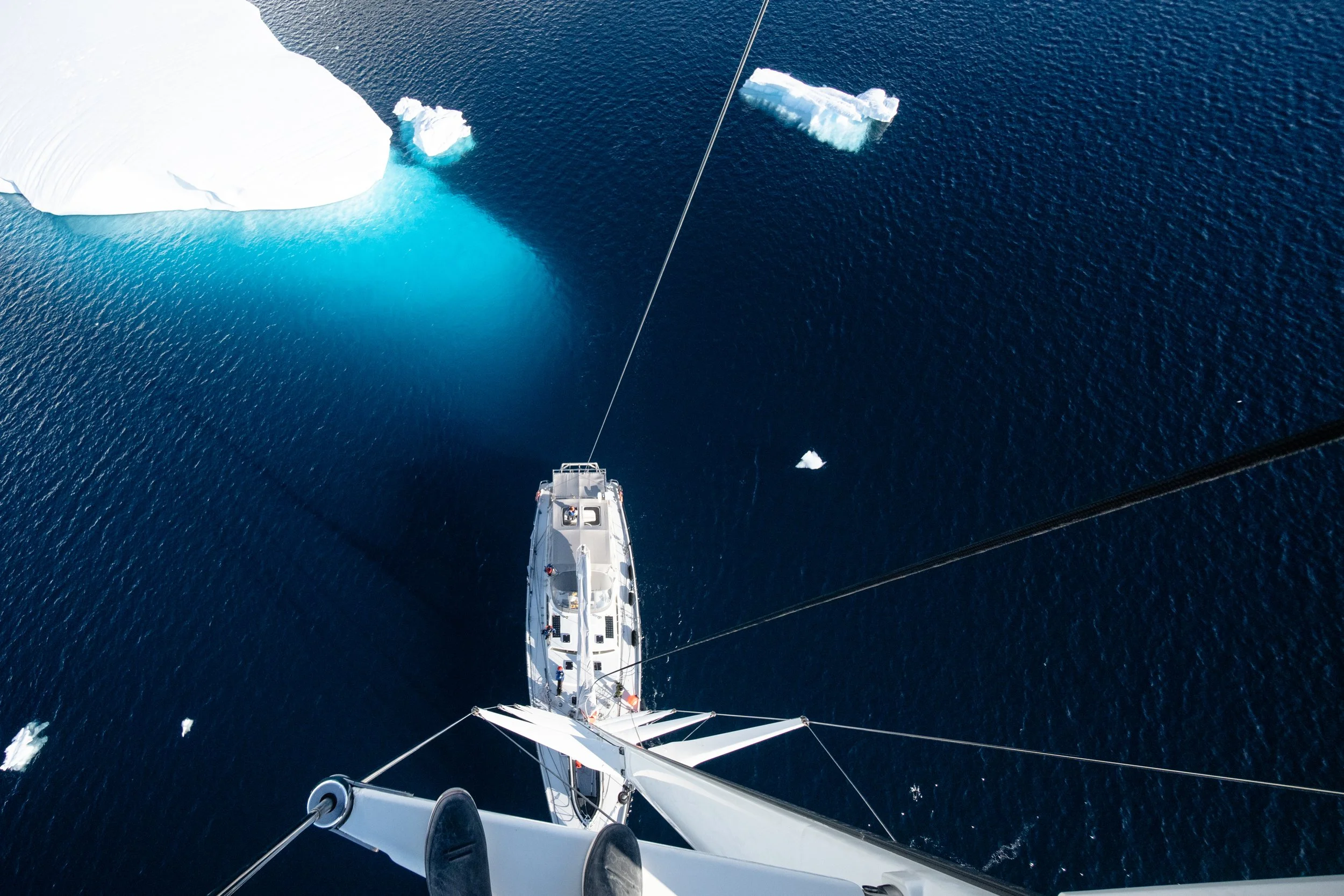
Situated at the southernmost point of our planet, Antarctica is a vast, icy expanse of near-total solitude and our destination for three scientific missions aboard Malizia Explorer this austral summer alone. As we are fastly approaching this frozen continent, it feels fitting to take a closer look at the mysterious place that awaits us and why it is so important to study and preserve it. Enjoy this deep dive into Antarctica!
Antarctica is an ice-covered continent marked by extreme conditions that, unlike the Arctic, has remained uninhabited. Its remoteness, harsh climate, inaccessibility, and lack of ice-free land have made permanent settlement virtually impossible. Despite this, nations such as Argentina, Australia, Chile, France, New Zealand, Norway, and the United Kingdom staked early claims in the 20th century - although, like the majority of the continent itself, these claims remain "frozen" to this day and are more symbolic.
Under international law, Antarctica belongs to no one. The continent, which is equivalent to the size of Brazil, benefits from a unique legal regime resulting from two international treaties. The Antarctic Treaty was signed in December 1959 by twelve scientifically active countries. It demilitarised the region, froze the territorial claims, banned nuclear testing, and established Antarctica as a zone dedicated to peace and scientific research.
In the late 1980s however, the continent, unique for its biodiversity and critical role in regulating the global climate, faced threats from proposed mining and oil extraction projects. Although the 1959 Antarctic Treaty ensured the peaceful and scientific management of the continent, it did not specifically address the exploitation of natural resources. This omission raised growing concerns among environmentalists and scientists.
© Marin Le Roux / PolaRYSE / Malizia Explorer
To safeguard Antarctica, Commander Jacques-Yves Cousteau led an international campaign of public mobilisation from Monaco’s Oceanographic Museum in 1990, emphasising the continent's fragility and the need for preservation for future generations. This initiative aligned with the environmental diplomacy efforts of French Prime Minister Michel Rocard, who worked to build international consensus for stronger environmental protections under the Antarctic Treaty System. In Monaco, Prince Rainier III and the Oceanographic Museum, historically connected to marine conservation, amplified Cousteau's message.
Together with a large public mobilisation, these efforts were instrumental in shaping the Protocol on Environmental Protection to the Antarctic Treaty which was signed in 1991 to address these concerns. Also known as the Madrid Protocol and enforced from 1998, the protocol banned mineral exploitation and designated Antarctica as a “natural reserve devoted to peace and science”. It mandates environmental impact assessments for human activities in the region and prohibits all mineral resource extraction, except for scientific research, until at least 2048. Several safeguards are in place such as the need for unanimous approval for any changes to the protocol after that time. For now, Antarctica remains protected from commercial mining.
An exceptional and remote area of the world
Scientifically, Antarctica’s extreme conditions and the clarity of its atmosphere make it ideal for a wide range of research fields. In addition to studying human and animal adaptation to intense cold, scientists conduct research on critical areas for humanity, such as climate change, the ozone layer depletion, ice melt and drift, the Earth's magnetic field, and cosmic radiation. Even in its strictly scientific domain, the continent is increasingly attracting attention. Eighteen countries currently have research bases there, both temporary and permanent. Certain nations not only conduct research but also assert their geopolitical influence, establish a presence on the continent, and prepare for potential changes that could open up new mining and commercial opportunities.
The Antarctic region plays a vital role in Earth's climate system. While also storing the planet's largest reserve of freshwater, the vast ice sheets of the Antarctic continent reflect sunlight, helping to regulate global temperatures. Cold, dense water of the Southern Ocean sinks and drives a global ocean circulation system known as the thermohaline circulation. This system distributes heat across the globe and is crucial for maintaining the balance of Ocean currents and temperatures globally. Additionally, the Southern Ocean is a powerful carbon sink, absorbing large amounts of carbon dioxide from the atmosphere.
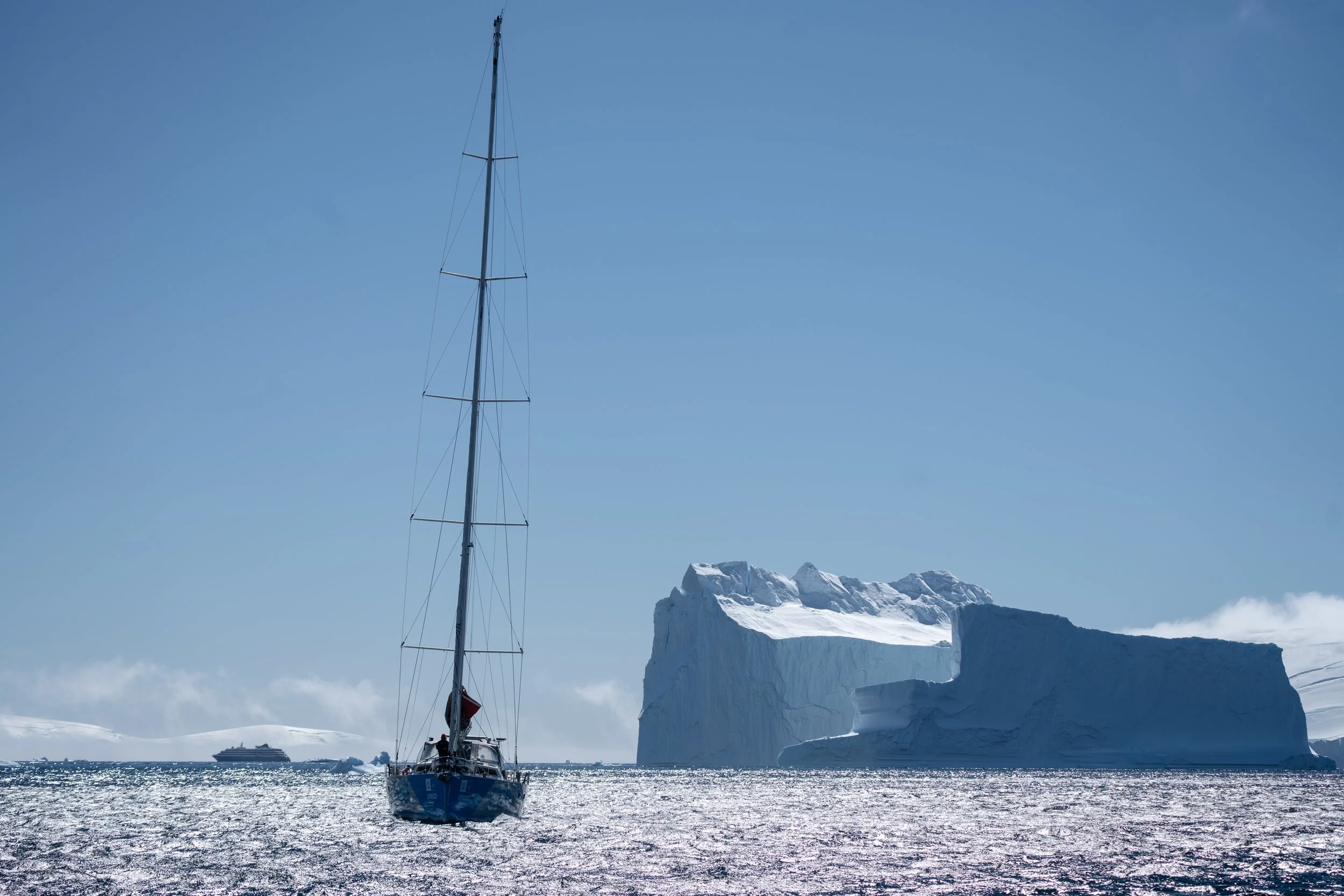
Malizia Explorer on her second Antarctic expedition © Marin Le Roux / Malizia Explorer / PolaRYSE
A pristine environment at risk
However, climate change poses a profound threat to Antarctica. Warming temperatures are driving the rapid melting of ice shelves and glaciers, contributing to rising sea levels and altering Ocean currents.
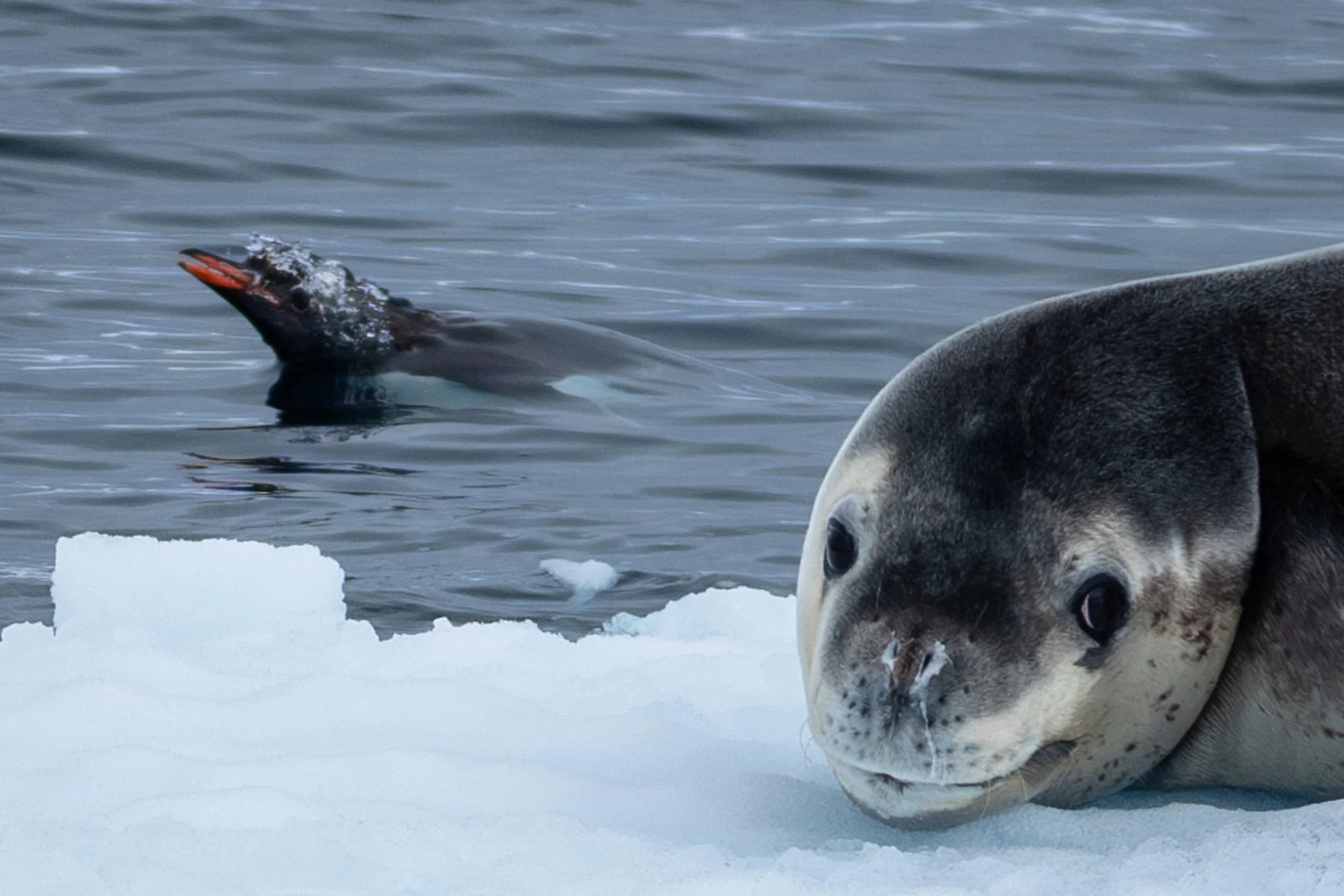
The loss of sea ice also reduces critical habitats for species like emperor penguins or certain seals, which rely on it for breeding and feeding. Additionally, the Southern Ocean's warming and acidification affect its ability to act as a carbon sink, undermining its role in regulating global climate. Increased human activity in Antarctica also poses risks of invasive species introduction and pollution of the land and surrounding waters. Overfishing, in particular, disrupts ecosystems by depleting key marine species that rely on sea ice habitats. These changes ripple across ecosystems, destabilising the delicate balance of life in Antarctica and beyond.
Hope for Antarctica
Whilst the High Seas fall outside the jurisdiction of the Antarctic Treaty and the Madrid Protocol, the Convention for the Conservation of Antarctic Marine Living Resources (CCAMLR) regulates fishing and ecosystem management in the Southern Ocean. Created in 1982 in response to increasing commercial interest in Antarctic krill resources, it has been key in establishing Marine Protected Areas (MPAs). The South Orkney Islands Southern Shelf MPA was the first High Seas MPA created, while the Ross Sea MPA, spanning 1.55 million square kilometres, is the third-largest in the world.
© Marin Le Roux / Malizia Explorer / PolaRYSE
Efforts like these underscore the potential for collaboration to address global challenges. Expanding and enforcing MPAs, particularly in ecologically sensitive regions, offers a pathway to preserve biodiversity and strengthen the resilience of marine ecosystems. As of January 2026, over 60 countries have ratified the Antarctic Treaty and to this day, the public mobilisation which led to the Madrid Protocol remains a powerful symbol of what international cooperation, civic commitment, and the invaluable work of organisations can achieve for the planet. As we look ahead, prioritising conservation and sustainable management in Antarctica and beyond is crucial to securing the health of our planet for future generations. By building on these successes, we can turn the tide on environmental degradation and protect one of Earth's last great wildernesses.